- Baby Bedding & Room Decor
-
-
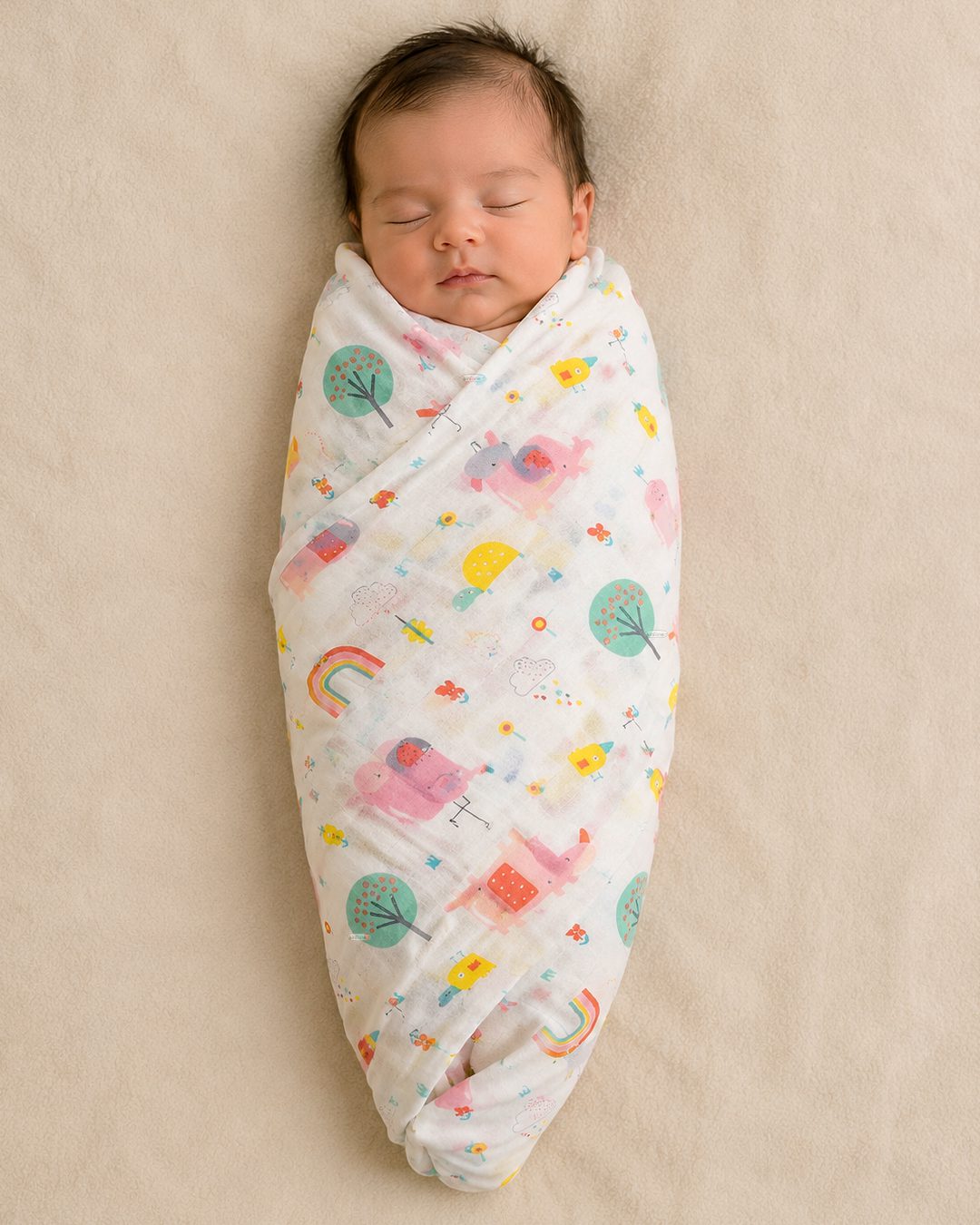
Swaddle Wrappers

-
Blankets
-
Bed & Mattress Protector
-
-
- Bath Care
-
-
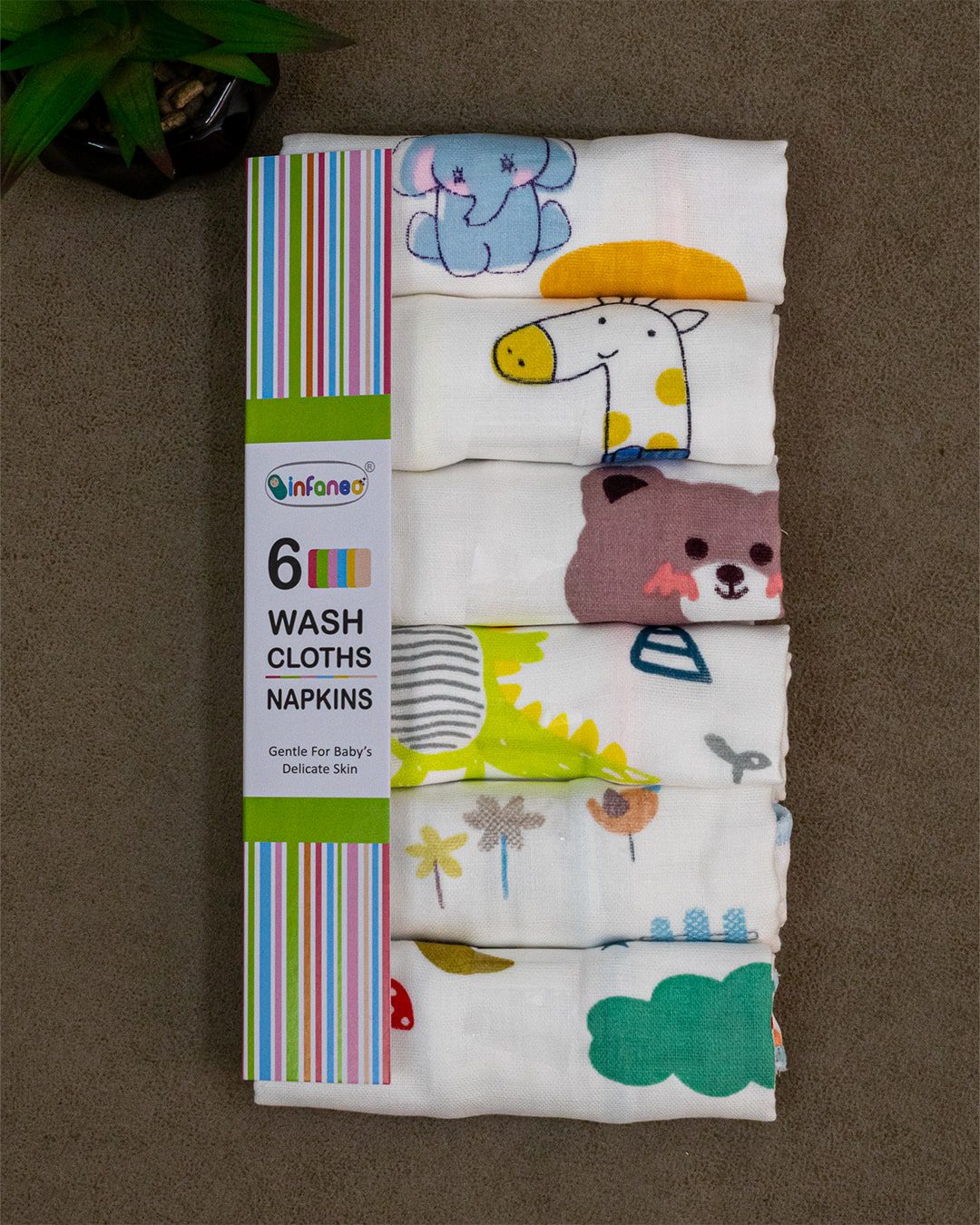
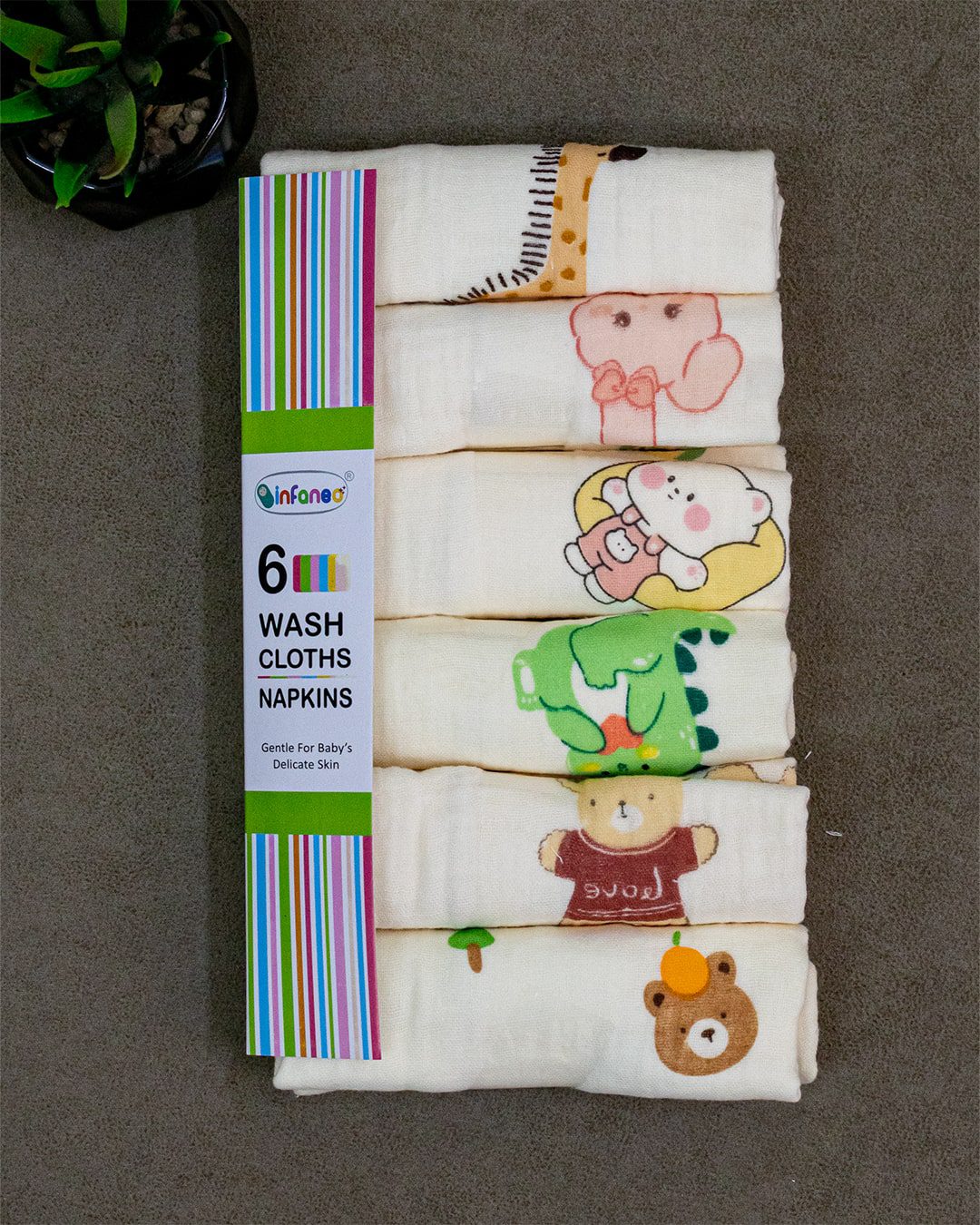
Napkins & Washcloths
-
Bath Towels
-
-
- Clothing and Accessories
-
-
Baby Suits
-
Night Suits
-
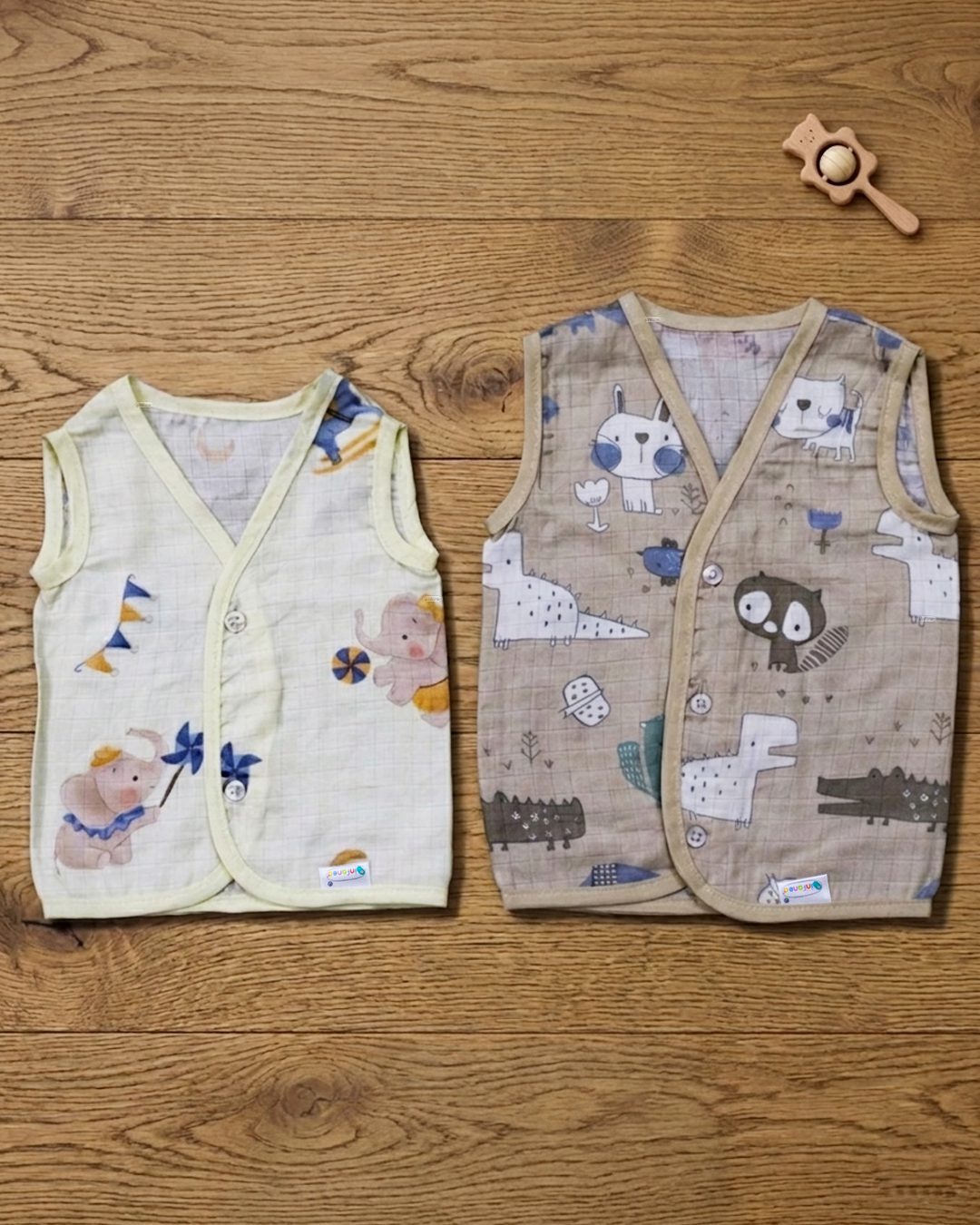
Tops & Vests
-
-
- Diapering & Nappy Changing
-
-
Diaper Inserts
-
Diaper Pants
-
-
- Feeding
-
-
Aprons & Bibs
-
Fruits & Food Feeders
-
Sipper Bottles
-
Teethers & Pacifiers
-
-
- Others
-
-
Hair Brushes & Combs
-
Nail Care
-
Toothbrushes
-
-

















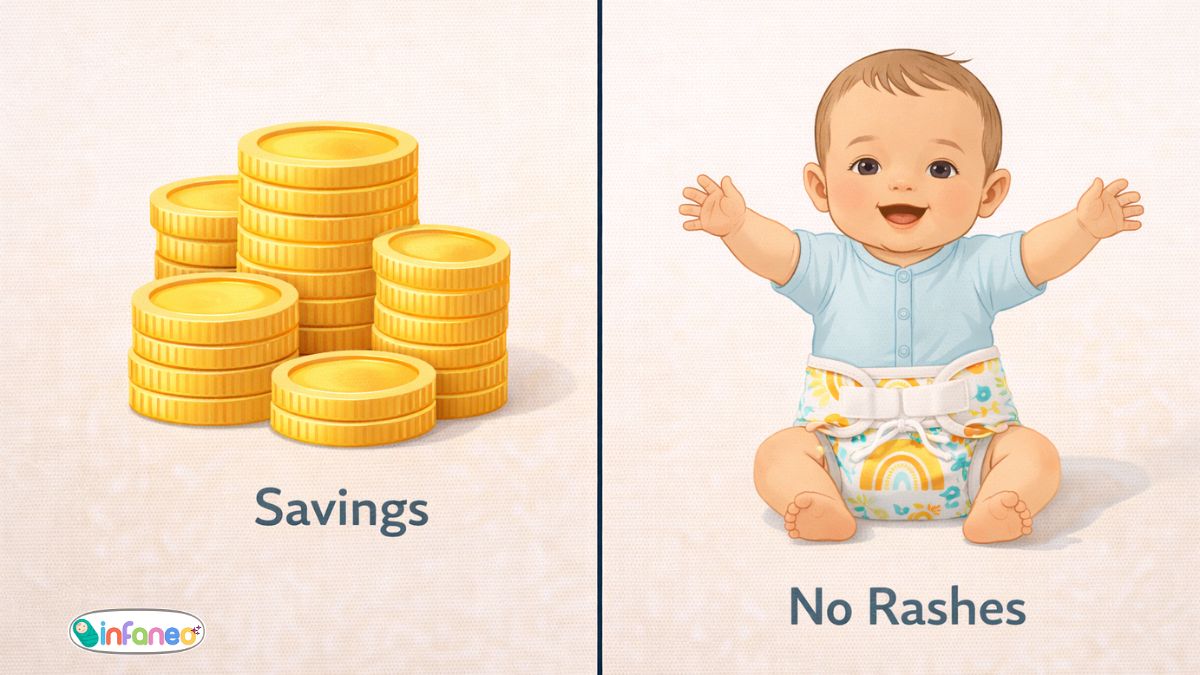
1. Financial Savings ( The Math Doesn’t Lie )
- Disposables: Average cost ₹10/piece × 6 changes/day × 3 years = ~₹65,000.
- Cloth: Full stash of 15 diapers ( wash & reuse ) = ~₹10,000 – ₹15,000.
- Total Savings: You save a massive ₹50,000 per child. Plus, you can reuse them for Baby #2!
2. Skin Health ( Goodbye Rashes )
Disposable diapers are packed with chemicals like dioxins and sodium polyacrylate ( the gel that absorbs pee ). These chemicals, combined with trapped heat, cause diaper rash. Cloth diapers use breathable fabrics like bamboo or muslin cotton, allowing air circulation and keeping the bum rash-free.
3. Eco-Friendly Impact
A disposable diaper takes 500 years to decompose. Every cloth diaper you use keeps one piece of plastic out of a landfill.
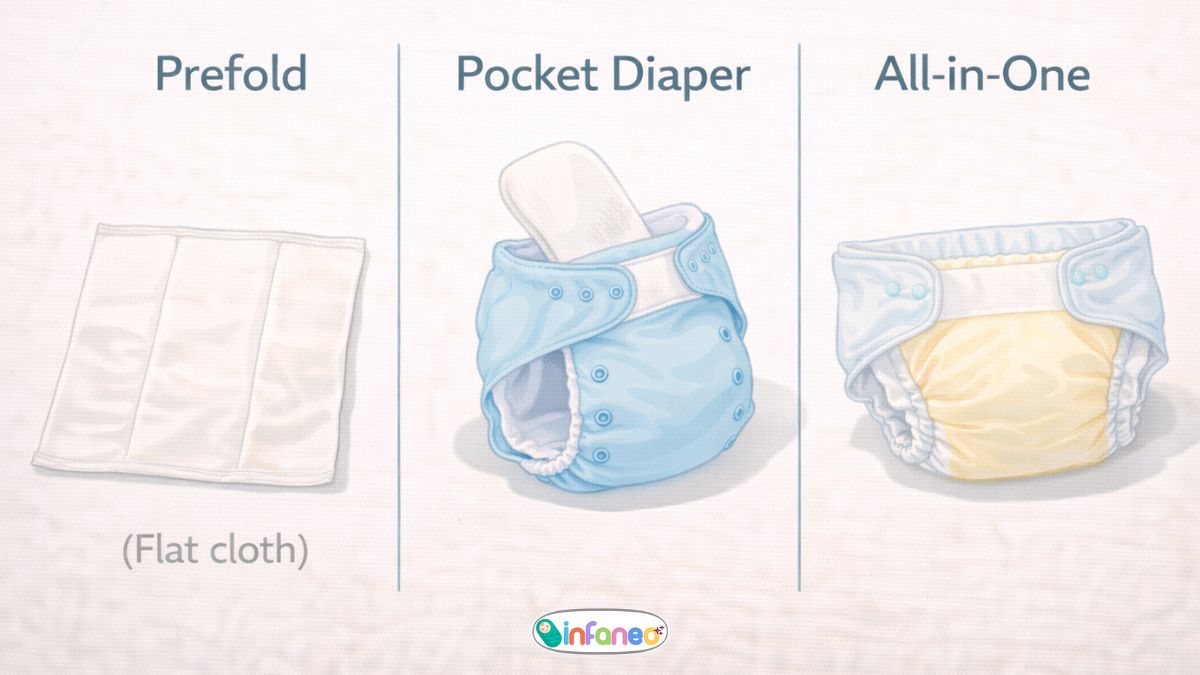
1. Flats / Langots ( The Traditional Way )
Just a square piece of cotton cloth. Requires folding and tying.
- Pros: Cheapest, dries instantly.
- Cons: Not waterproof, leaks easily.
2. Pocket Diapers ( The Most Popular )
It has a waterproof outer shell and a “pocket” inside. You stuff an absorbent pad ( insert ) into the pocket.
- Pros: Adjustable absorbency, dries fast (because parts separate).
- Cons: You have to stuff them before use.
3. All-in-One ( AIO )
The insert is sewn into the cover. It goes on exactly like a disposable.
- Pros: Easiest to use ( Grandparent friendly! ).
- Cons: Takes longer to dry, harder to clean deep stains.
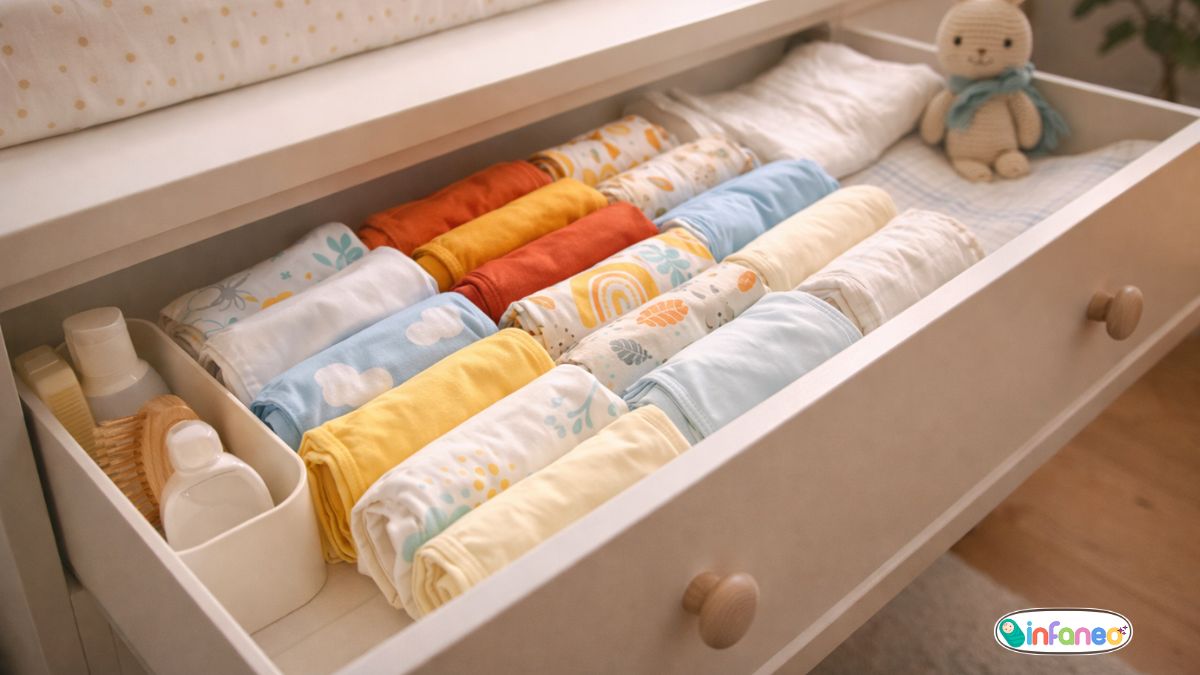
You don’t need 50 diapers. Here is a realistic count depending on how often you want to do laundry:
- Full-Time ( Washing every day ): 10 – 12 diapers
- Full-Time ( Washing every other day ): 18 – 24 diapers
- Part-Time ( Day only ): 6 – 8 diapers
The “One-Size” Magic:
Most modern diapers come with snap buttons that let you adjust the size from 3 months to 3 years ( 5kg to 15kg ). You buy once, and it grows with your baby!

Hi, I’m Poco! I’m the Chief Cuddle Officer here. My job is to make sure every fabric is cloud-soft and every nap is cosy. When I’m not testing bamboo blankets, I’m helping parents navigate the messy, magical world of newborns with zero stress.