- Baby Bedding & Room Decor
-
-
Swaddle Wrappers

-
Blankets
-
Bed & Mattress Protector
-
-
- Bath Care
-
-
Napkins & Washcloths
-
Bath Towels
-
-
- Clothing and Accessories
-
-
Baby Suits
-
Night Suits
-
Tops & Vests
-
-
- Diapering & Nappy Changing
-
-
Diaper Inserts
-
Diaper Pants
-
-
- Feeding
-
-
Aprons & Bibs
-
Fruits & Food Feeders
-
Sipper Bottles
-
Teethers & Pacifiers
-
-
- Others
-
-
Hair Brushes & Combs
-
Nail Care
-
Toothbrushes
-
-


















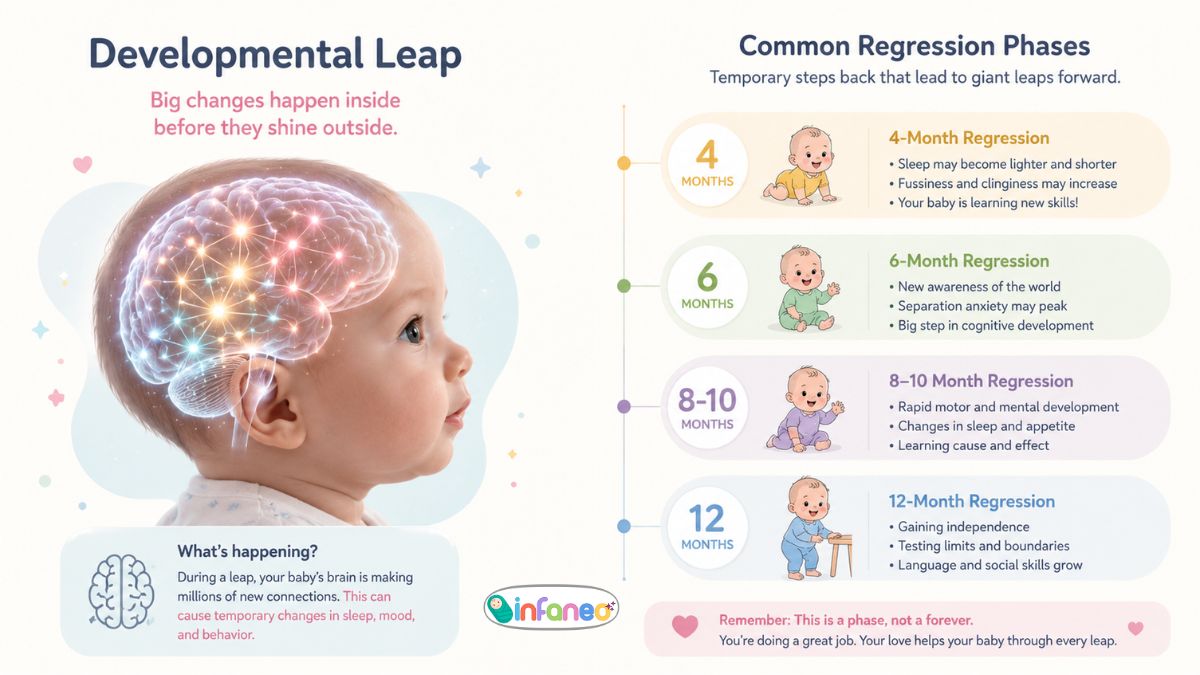
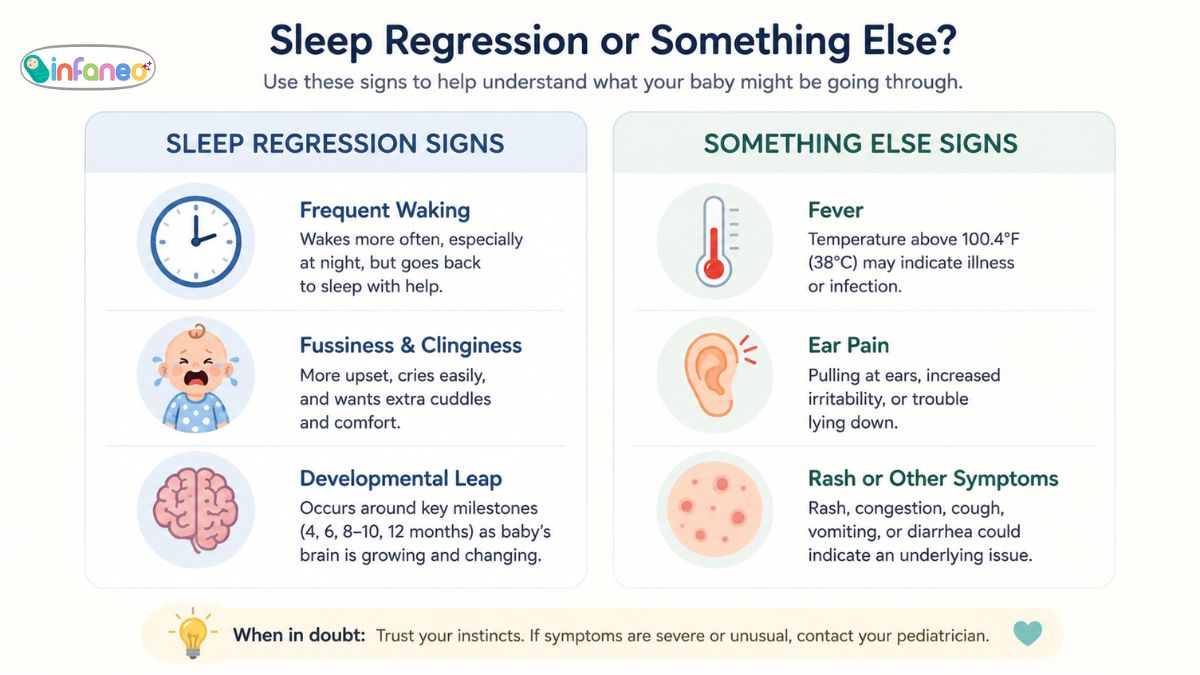
Sleep Regression happens because babies’ brains are growing at an extraordinary pace. When a baby is going through a major developmental leap — learning to roll, crawl, pull up, or process new emotional awareness — their brain is essentially working overtime.
This extra brain activity disrupts sleep cycles in two ways:
- The brain is too active to settle into deep sleep easily.
- New skills “practice themselves” during sleep, causing the baby to wake up mid-cycle.
It’s the same reason adults sometimes can’t sleep when they are stressed or excited about something big. Your baby’s brain is just too busy growing to stay asleep.
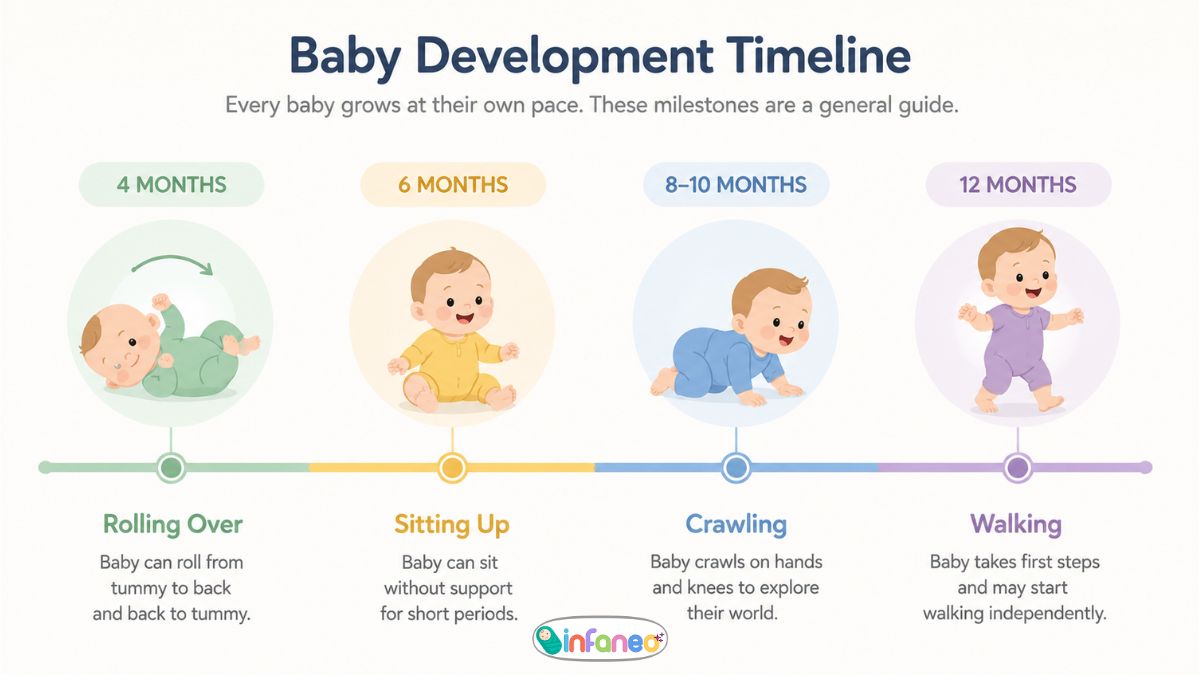
The 4-Month Regression ( The Biggest One ):
This is the most significant Regression — and the only one that is technically permanent. At around 4 months, a baby’s sleep architecture changes from newborn-style sleep to adult-style sleep cycles ( light sleep → deep sleep → light sleep, repeated every 45 minutes ).
Until they learn to connect these cycles independently, they wake up between each one. This Regression can last 2 to 6 weeks and catches most parents completely off guard.
The 6-Month Regression:
Driven by teething beginning, increased physical activity ( rolling, sitting attempts ), and a growth in separation anxiety. The baby becomes aware that you leave, and waking up is their way of checking you are still there.
The 8 – 10 Month Regression:
This coincides with crawling, pulling to stand, and a massive leap in object permanence ( understanding that things exist even when they can’t be seen ). Nights get disrupted as the brain processes these complex new skills.
The 12-Month Regression:
Linked to walking attempts, increased independence, and the transition from two naps to one. Overtiredness from nap schedule changes makes night-time sleep fragile.

1. Hold the Routine Tighter Than Ever:
Your bedtime routine is your anchor during a Regression. Even when nothing else works, the predictability of Bath → Massage → Feed → Swaddle signals the brain that sleep is coming. Do not abandon the routine when it feels like it isn’t working.
Read Article – Establishing a Bed-time Routine
2. Offer an Earlier Bedtime:
This feels counter-intuitive but works. An overtired baby produces cortisol, which makes sleep harder. Moving bedtime 30 minutes earlier during Regression reduces overtiredness and often results in longer sleep stretches.
3. Top Up Feeds During the Day:
Growth spurts and brain development during Regressions increase hunger. If you offer more frequent feeds during the day, your baby is less likely to wake from genuine hunger at night.
4. Use a Swaddle or Sleep Sack:
For babies under 4 months, a snug muslin swaddle helps suppress the Moro Reflex that causes waking. For older babies, a sleep sack provides the comfort of being “held” without the safety risks of loose blankets.
5. Encourage “Drowsy But Awake”:
If your baby has always been rocked or fed completely to sleep, they will need that same condition to fall back asleep when they wake between cycles. Practicing putting them down drowsy but still slightly awake teaches them to self-settle — the single most powerful long-term sleep skill.
Read Article – Soothing Techniques for Fussy Babies
6. Accept the Season, Don’t Fight It:
Regressions last 2 to 6 weeks on average. Fighting them with sleep training mid-regression usually backfires. The kindest strategy is to offer extra comfort, ride it out, and return to your boundaries once the leap has passed.
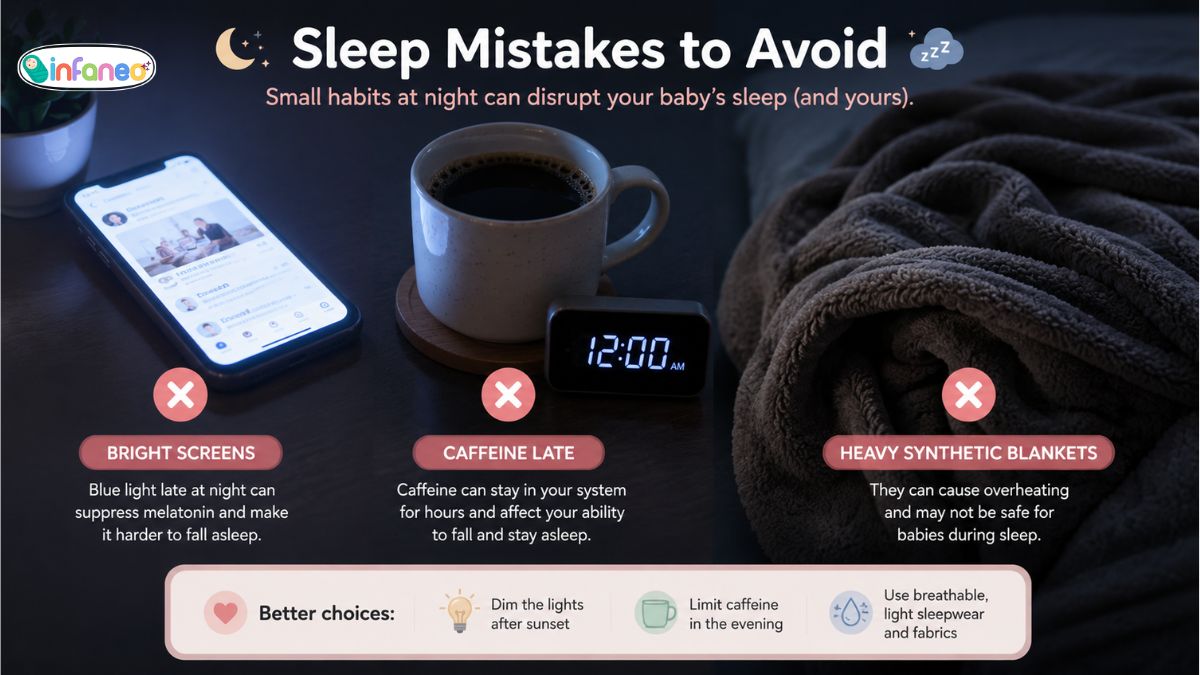
These Common Reactions make Regression WORSE:
- ❌ Starting Sleep Training Mid-regression: Wait for the regression to pass first.
- ❌ Bringing Baby to Bed out of desperation every night: Creates a new habit that is hard to undo.
- ❌ Skipping Naps to “tire them out”: Overtired babies sleep worse, not better.
- ❌ Checking the Phone at 2 AM: Blue light keeps you awake for longer.
- ❌ Abandoning the Bedtime Routine: Consistency is the only thing that speeds up the regression.






Hi, I’m Poco! I’m the Chief Cuddle Officer here. My job is to make sure every fabric is cloud-soft and every nap is cosy. When I’m not testing bamboo blankets, I’m helping parents navigate the messy, magical world of newborns with zero stress.