- Baby Bedding & Room Decor
-
-
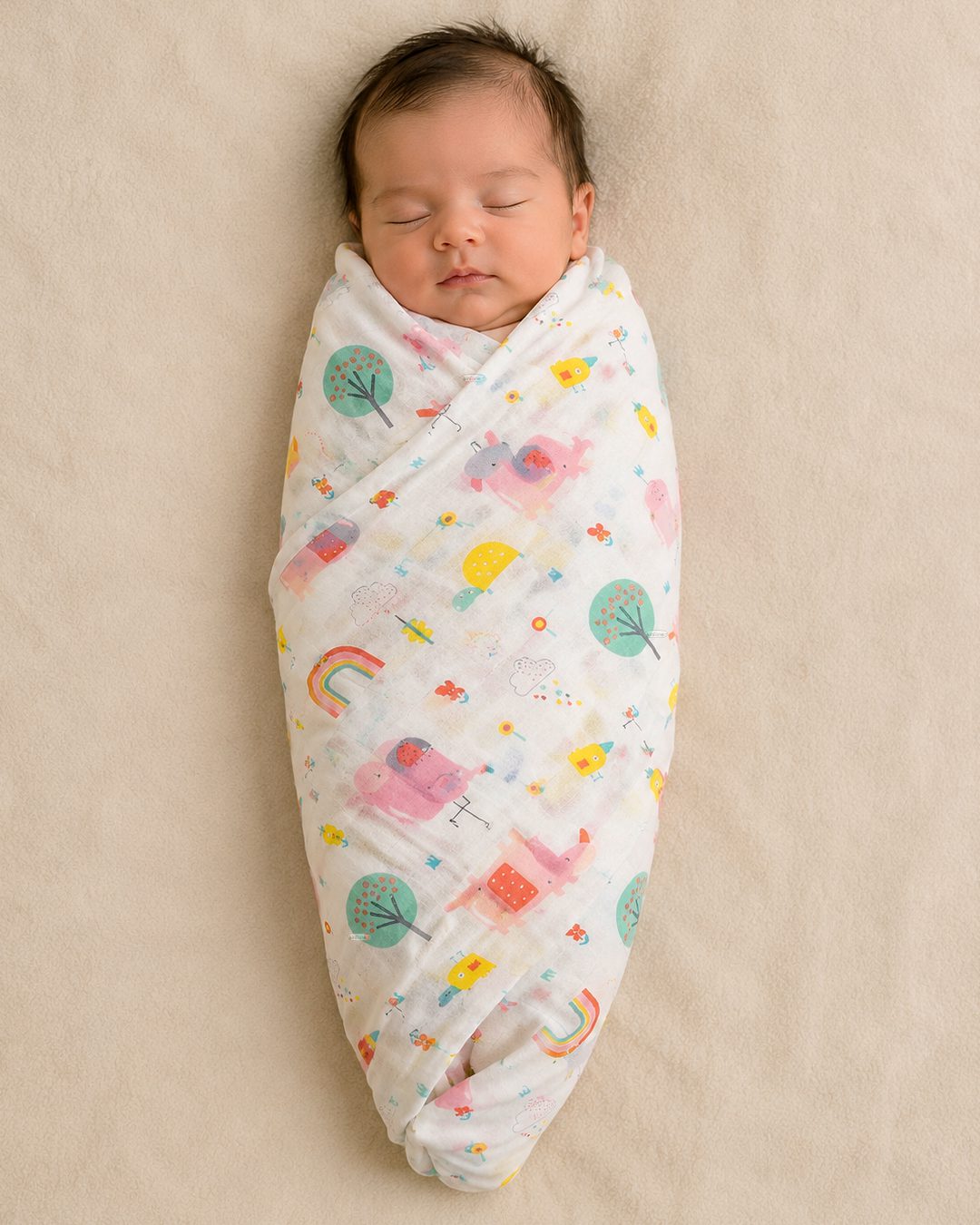
Swaddle Wrappers

-
Blankets
-
Bed & Mattress Protector
-
-
- Bath Care
-
-
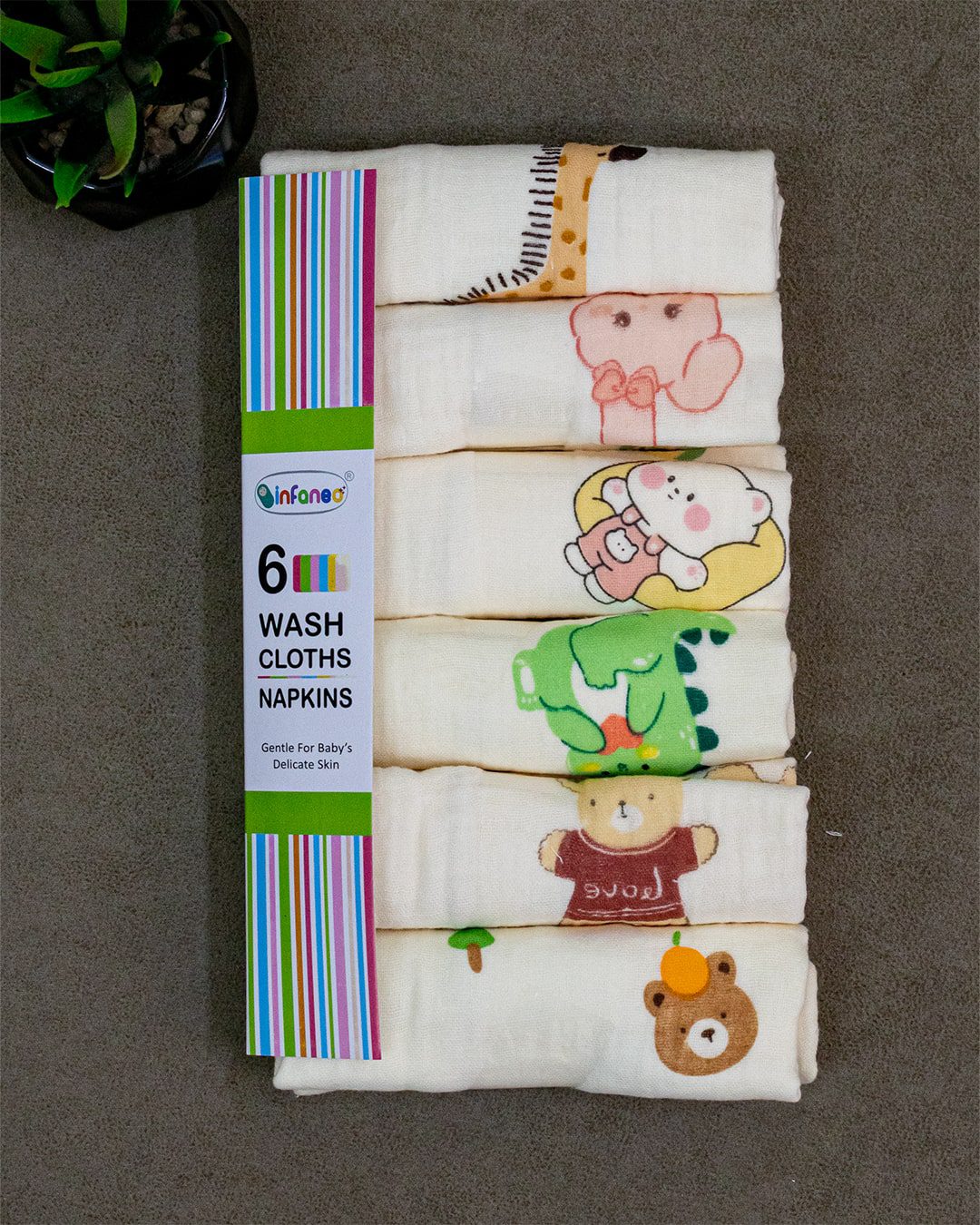
Napkins & Washcloths
-
Bath Towels
-
-
- Clothing and Accessories
-
-
Baby Suits
-
Night Suits
-
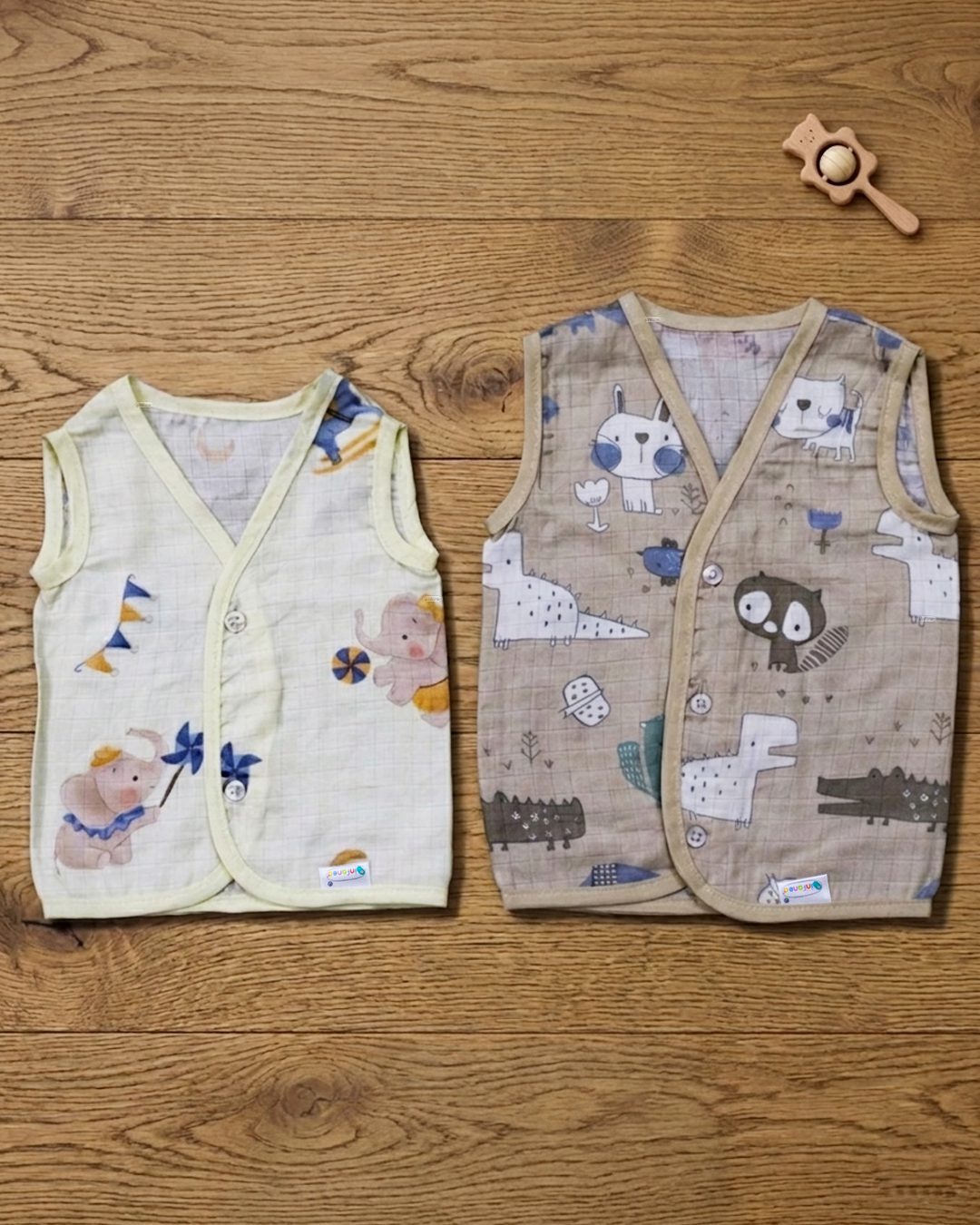
Tops & Vests
-
-
- Diapering & Nappy Changing
-
-
Diaper Inserts
-
Diaper Pants
-
-
- Feeding
-
-
Aprons & Bibs
-
Fruits & Food Feeders
-
Sipper Bottles
-
Teethers & Pacifiers
-
-
- Others
-
-
Hair Brushes & Combs
-
Nail Care
-
Toothbrushes
-
-














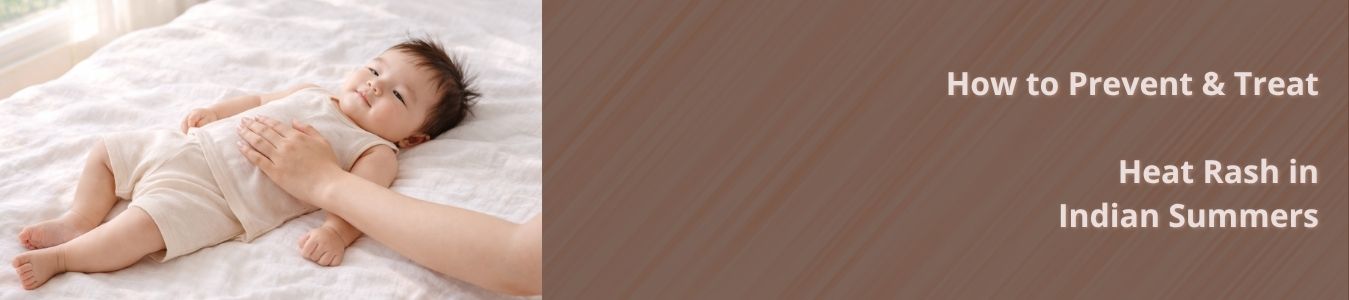
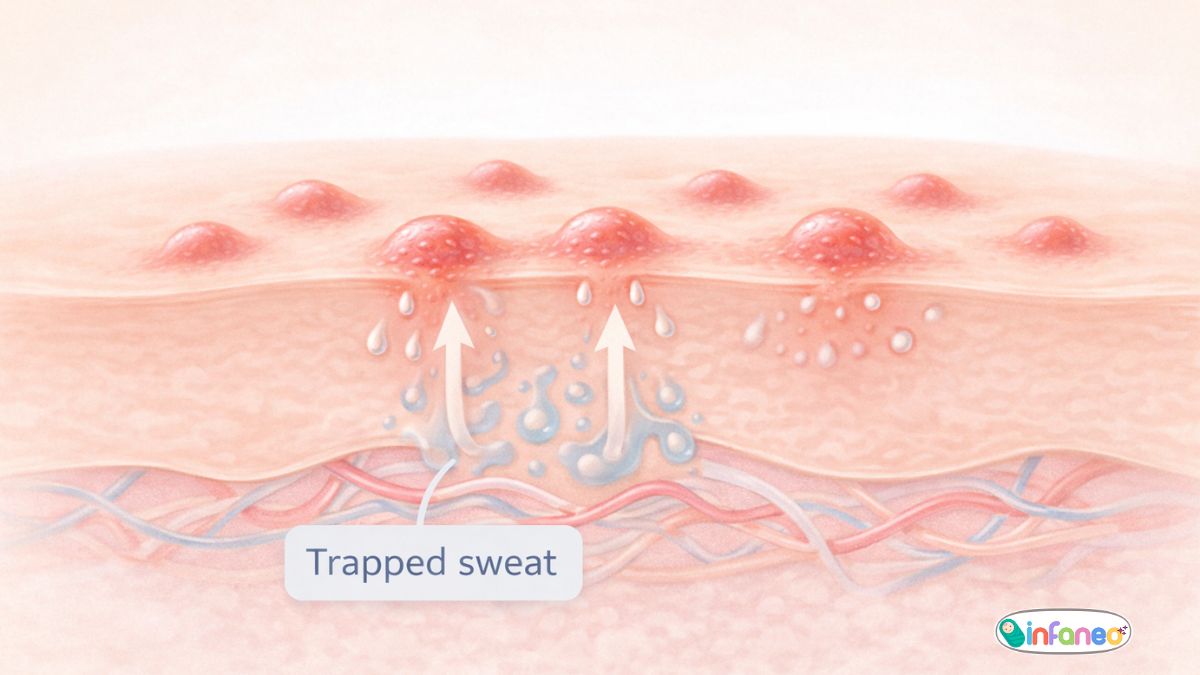
Heat rash happens when sweat gets trapped under the skin because the sweat ducts are blocked. Babies are especially prone to this because their sweat glands are still developing, and their skin is more delicate than ours.
You will usually notice:
- Tiny red or pink bumps
- Mild redness in patches
- Skin that feels warm or damp
- Fussiness, especially during naps or at night
The most common places are skin folds and covered areas:
- Neck folds
- Upper chest and back
- Armpits
- Diaper area
- Behind the knees or elbows
It may look dramatic, but in most cases, heat rash is not dangerous. It is your baby’s skin asking for one thing: less heat, less sweat, more airflow.
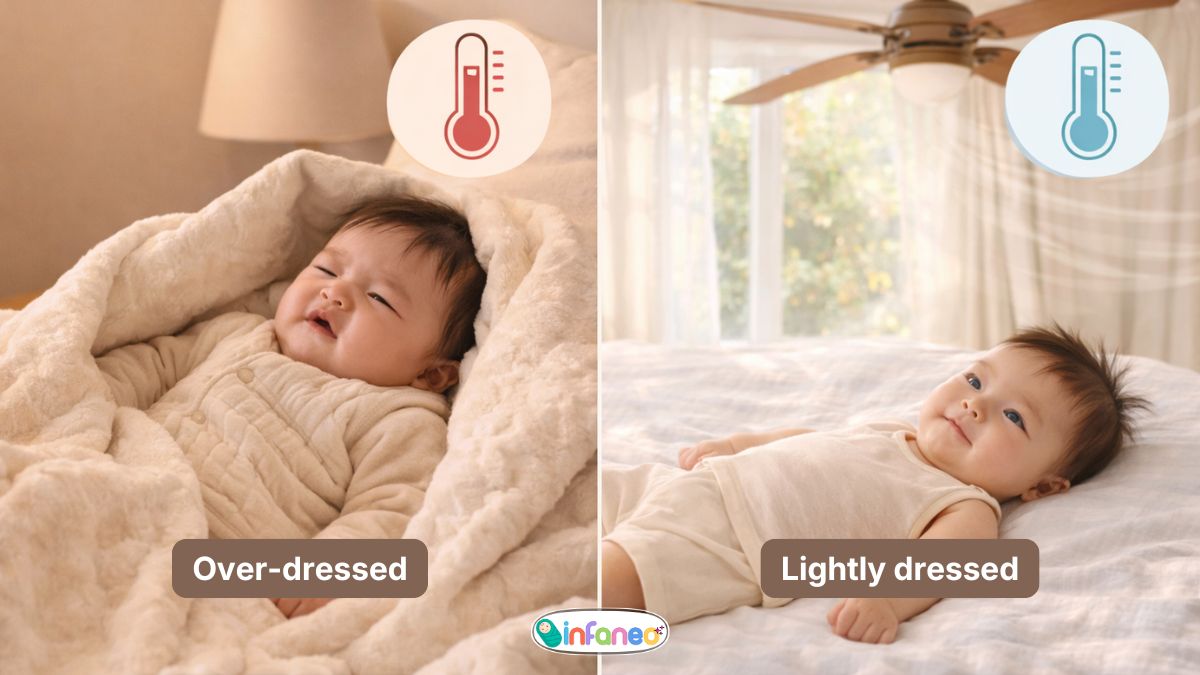
Indian summers create the perfect conditions for prickly heat. Many parents assume heat rash only happens after outdoor exposure, but it often begins indoors too. Babies can overheat inside the house if they are layered too much, lying on thick bedding, or dressed in fabrics that trap sweat.
The most common triggers are:
- Overdressing: Too many layers or wrapping a baby in heavy blankets.
- Wrong fabrics: Tight, stretchy, or synthetic materials that reduce airflow.
- Heavy creams or oils: Thick ointments can further block sweat glands and worsen the rash.
- Skin folds staying damp: Sweat, drool, or milk often collect around the neck, thighs, and armpits.
- Poor air circulation: A hot, still room makes sweating worse.
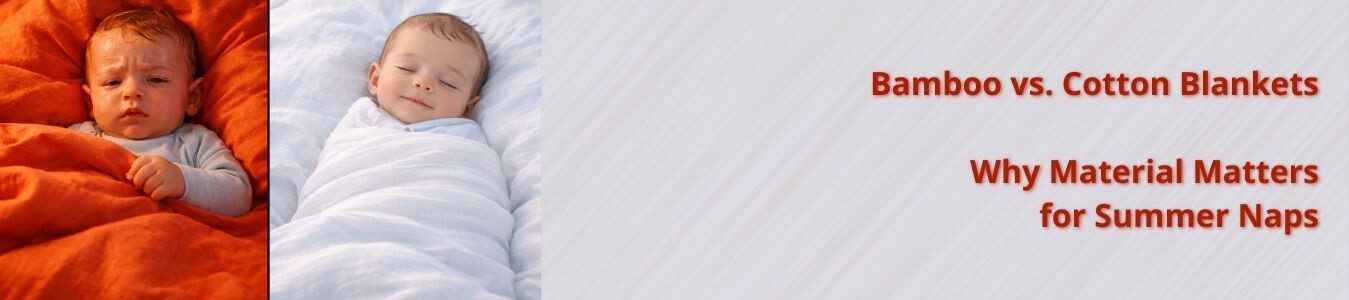
This is why babies can develop a rash even when they are indoors. A room may feel “normal” to adults, but a baby wrapped in thick clothes or lying on a non-breathable sheet can still overheat.
This is exactly why fabric matters so much in summer. What touches your baby’s skin all day and night can either calm the skin — or trap heat against it.
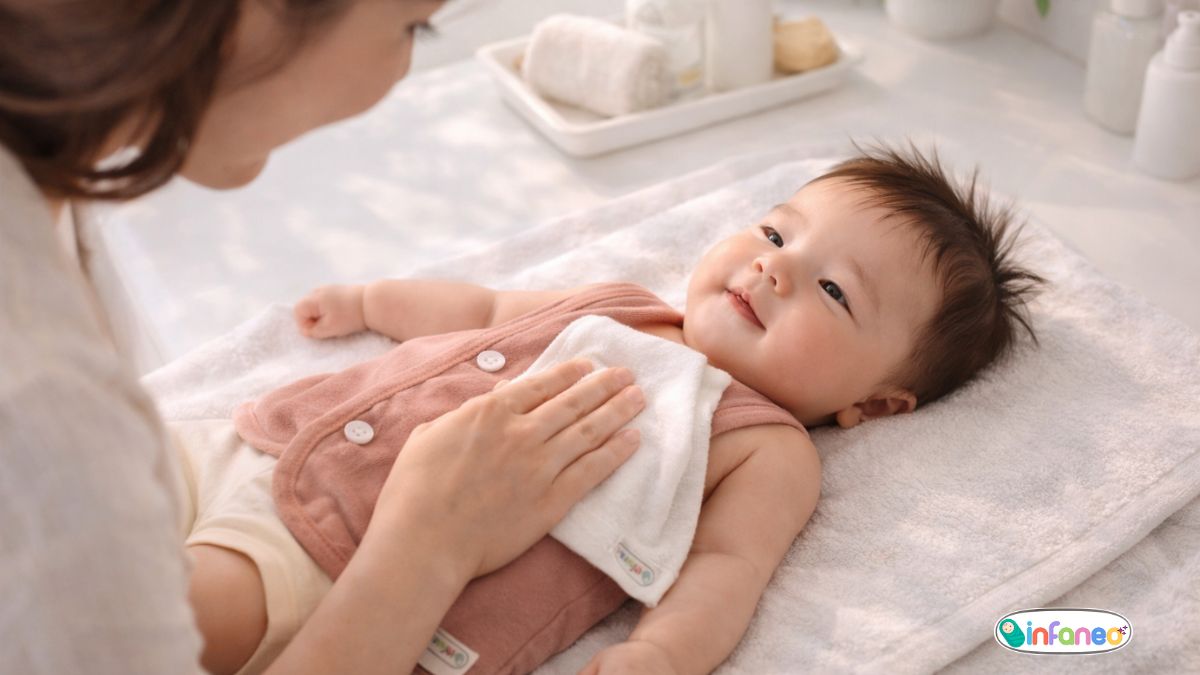
Most heat rash improves if you act early and keep the skin cool and dry.
Step 1 – Move Your Baby to a Cooler Area:
Take your baby out of the heat and into a cooler room. A fan or air-conditioned room can help reduce sweating quickly.
Step 2 – Give a Lukewarm Bath or Cool Sponge Wipe:
A lukewarm bath or cool, damp washcloth can remove sweat and body oils from the skin and help calm irritation.
Step 3 – Pat Dry Gently:
Dry the skin completely, especially the folds around the neck, armpits, and groin. Pat dry instead of rubbing so you do not irritate the rash further.
Step 4 – Dress Baby in Thin, Loose, Breathable Clothes:
Loose-fitting, airy clothing helps the skin breathe and reduces sweat buildup. Lightweight cotton is commonly recommended, and breathable fabrics like muslin and bamboo cotton are especially useful in hot Indian weather.
Step 5 – Leave the Rash Area Open When Possible:
Let the skin breathe without extra covering whenever it is safe and practical indoors.
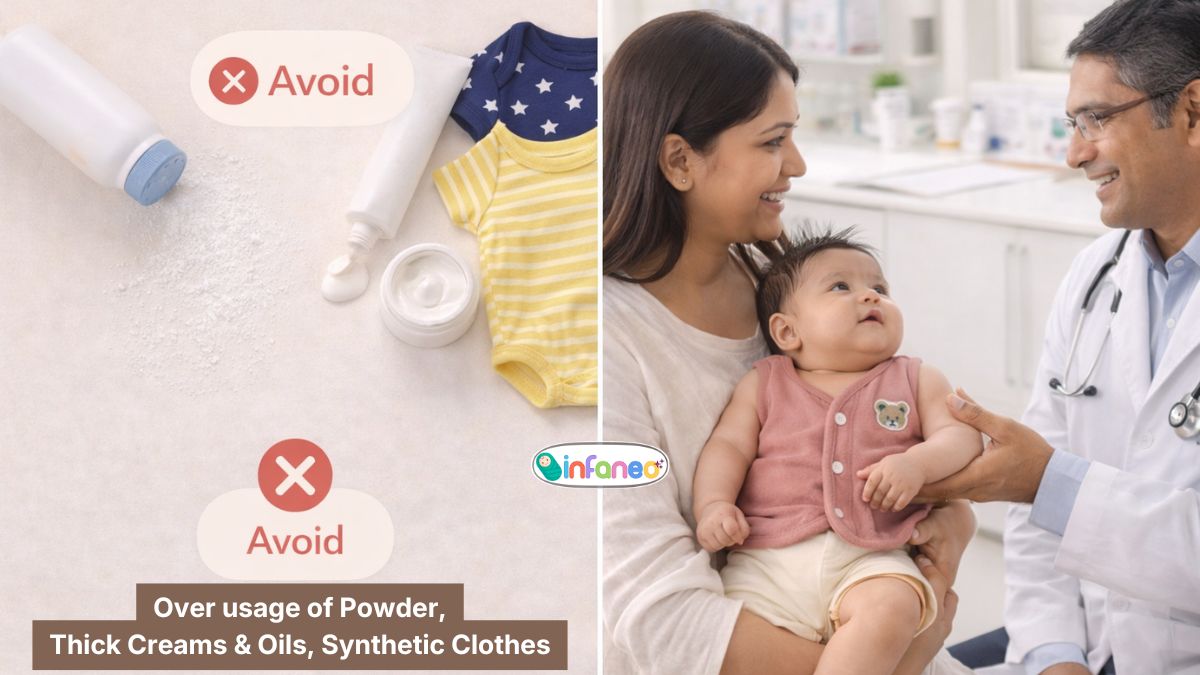
Some common remedies can actually make heat rash worse. Thick greasy ointments, heavy oils, and too much powder can block sweat ducts or irritate the skin further.
Avoid these Mistakes:
- Thick oily creams or ointments unless prescribed
- Tight or heavy clothing
- Over-bundling during naps or at night
- Hot baths
- Ignoring damp skin folds
Call Your Doctor if:
- The rash lasts more than 3 to 4 days
- It gets worse instead of improving
- There is pus, swelling, tenderness, or signs of infection
- Your baby has a fever or seems unusually unwell
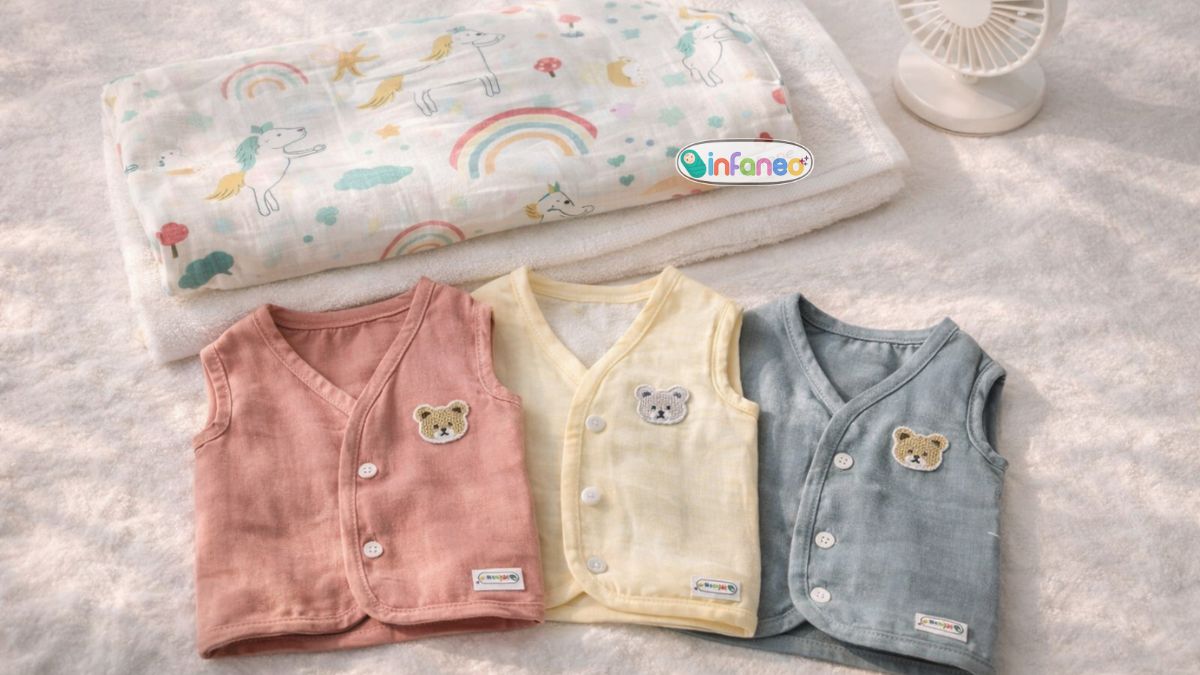
Preventing heat rash is often less about medicine and more about temperature, airflow, and fabric choice. Loose, lightweight fabrics help sweat evaporate faster and reduce friction on delicate skin.
That is why breathable essentials such as muslin swaddles, bamboo cotton blankets, night suits, and cord sets make such a difference in summer. They are not just softer — they support better airflow and help reduce the sweat-trap cycle that often leads to rash.
This is also where Our brand story fits naturally: We are pioneers of Bamboo Cotton & Muslin Essentials. These products genuinely address the real problems Indian parents face every summer.

Hi, I’m Poco! I’m the Chief Cuddle Officer here. My job is to make sure every fabric is cloud-soft and every nap is cosy. When I’m not testing bamboo blankets, I’m helping parents navigate the messy, magical world of newborns with zero stress.