- Baby Bedding & Room Decor
-
-
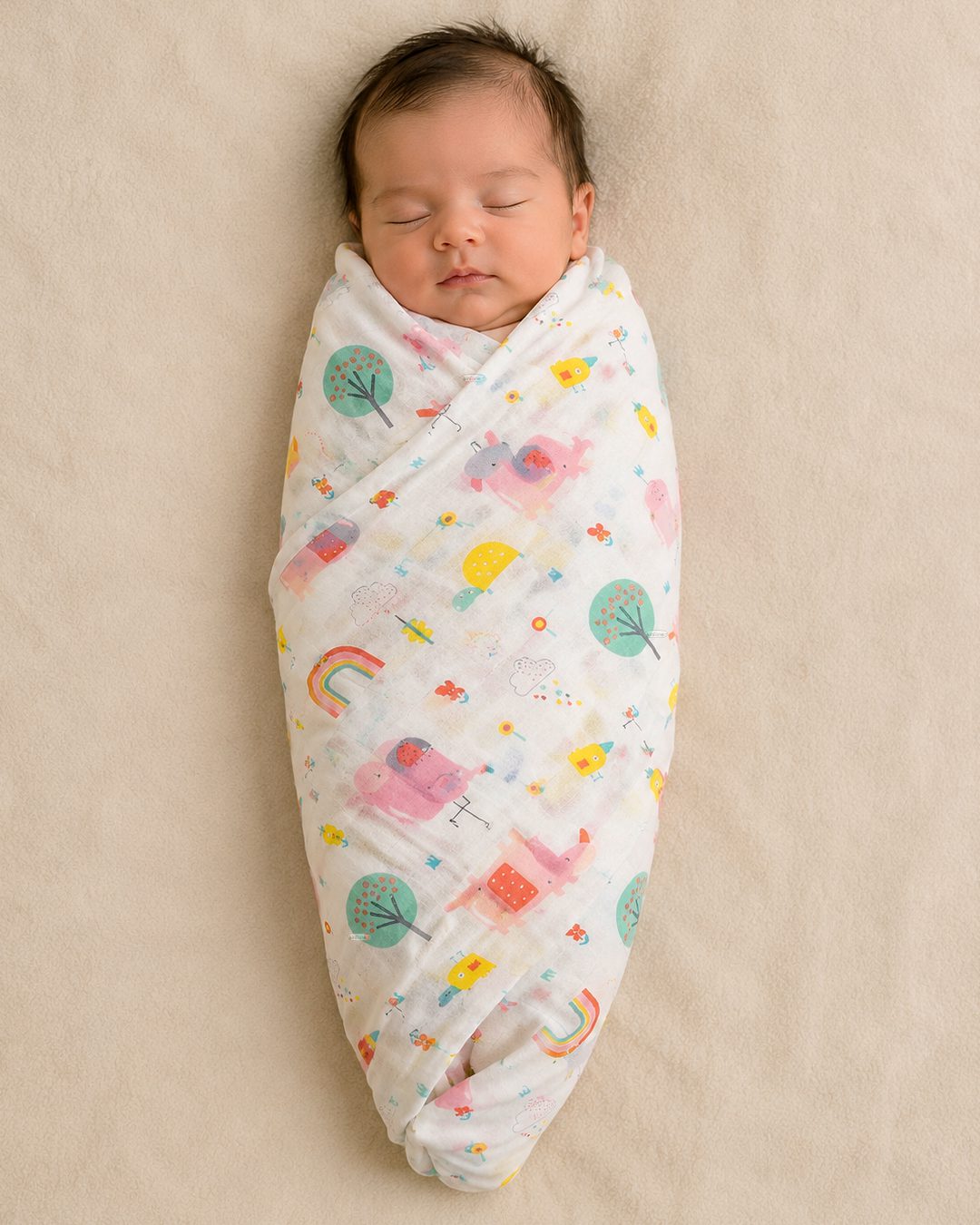
Swaddle Wrappers

-
Blankets
-
Bed & Mattress Protector
-
-
- Bath Care
-
-
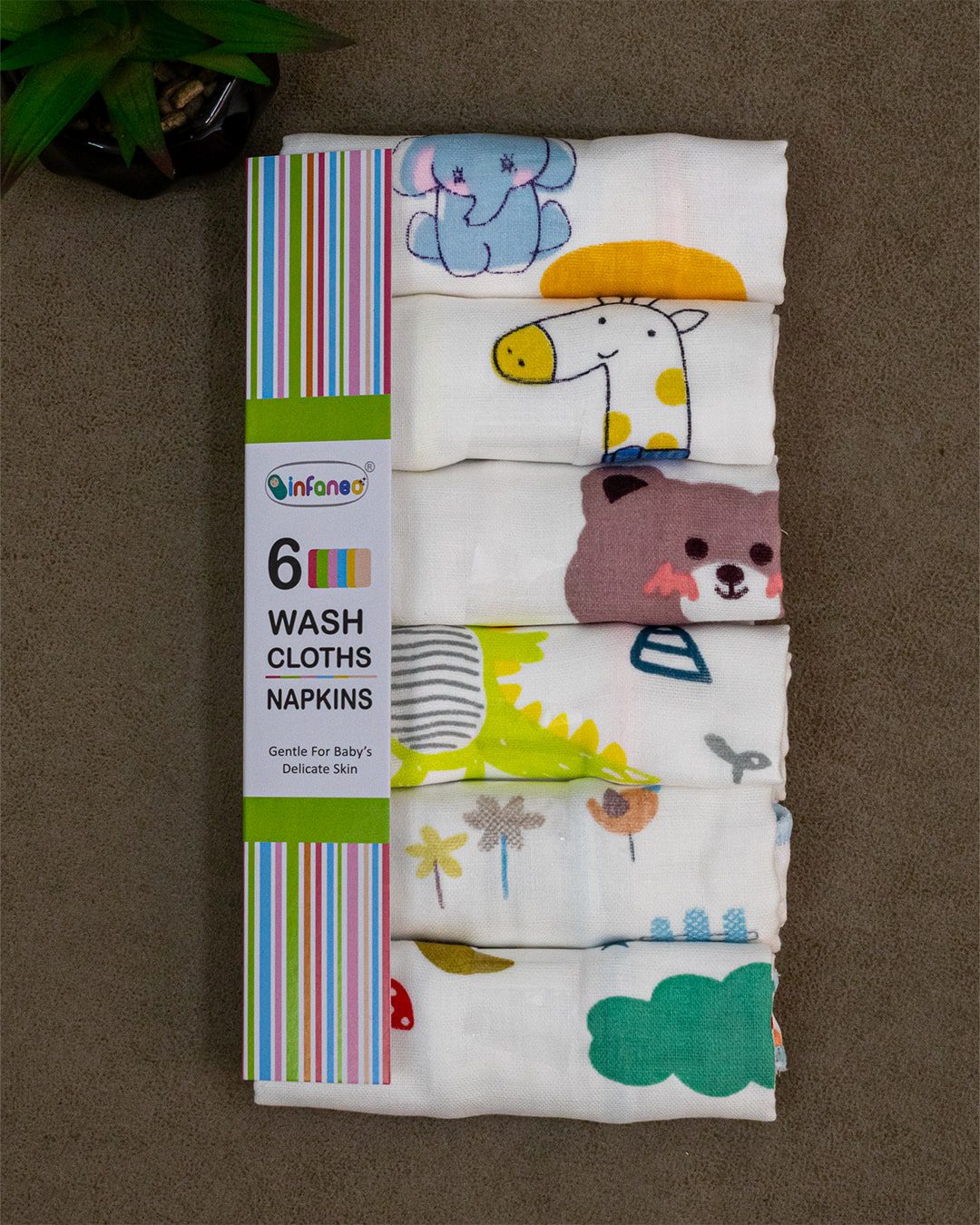
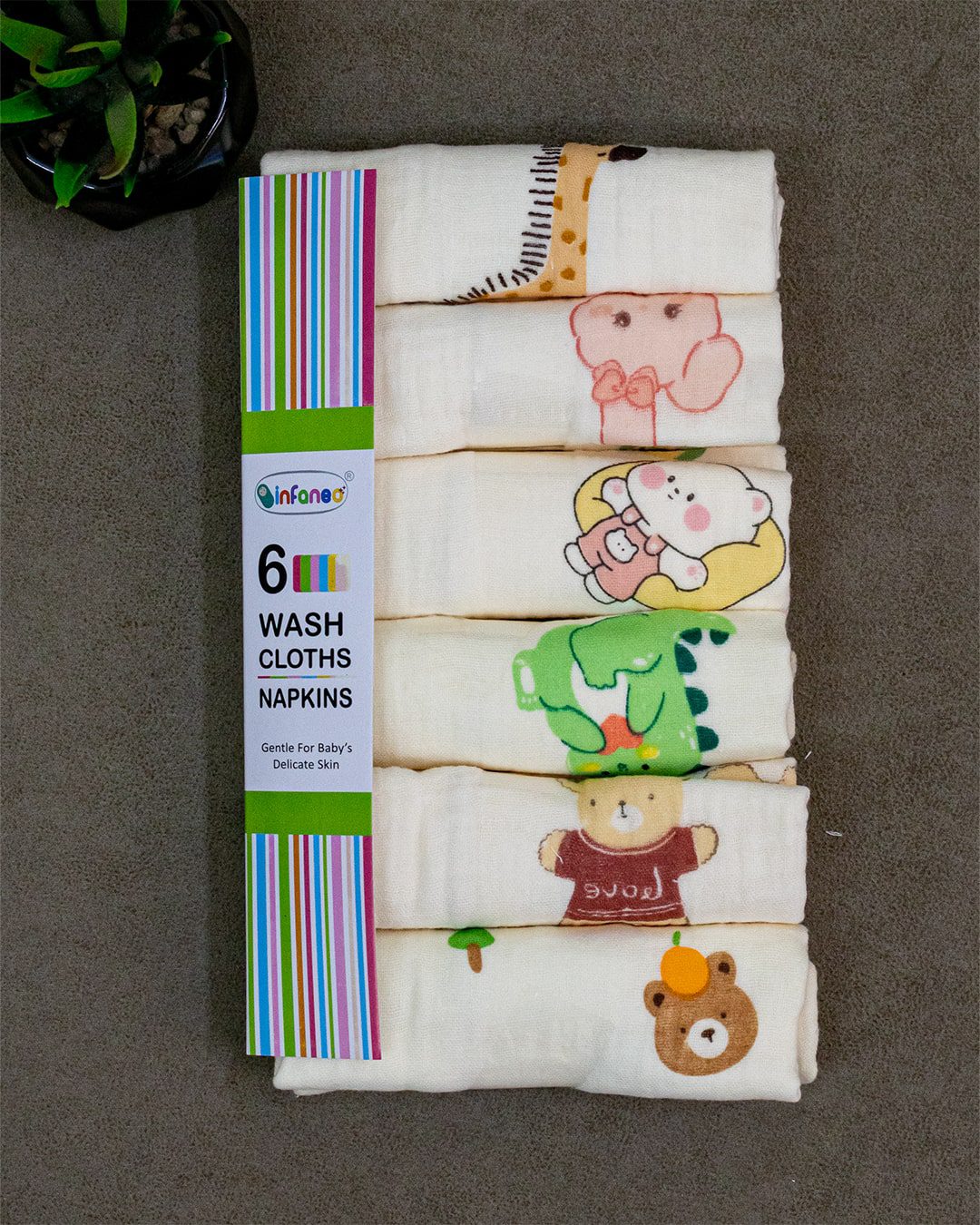
Napkins & Washcloths
-
Bath Towels
-
-
- Clothing and Accessories
-
-
Baby Suits
-
Night Suits
-
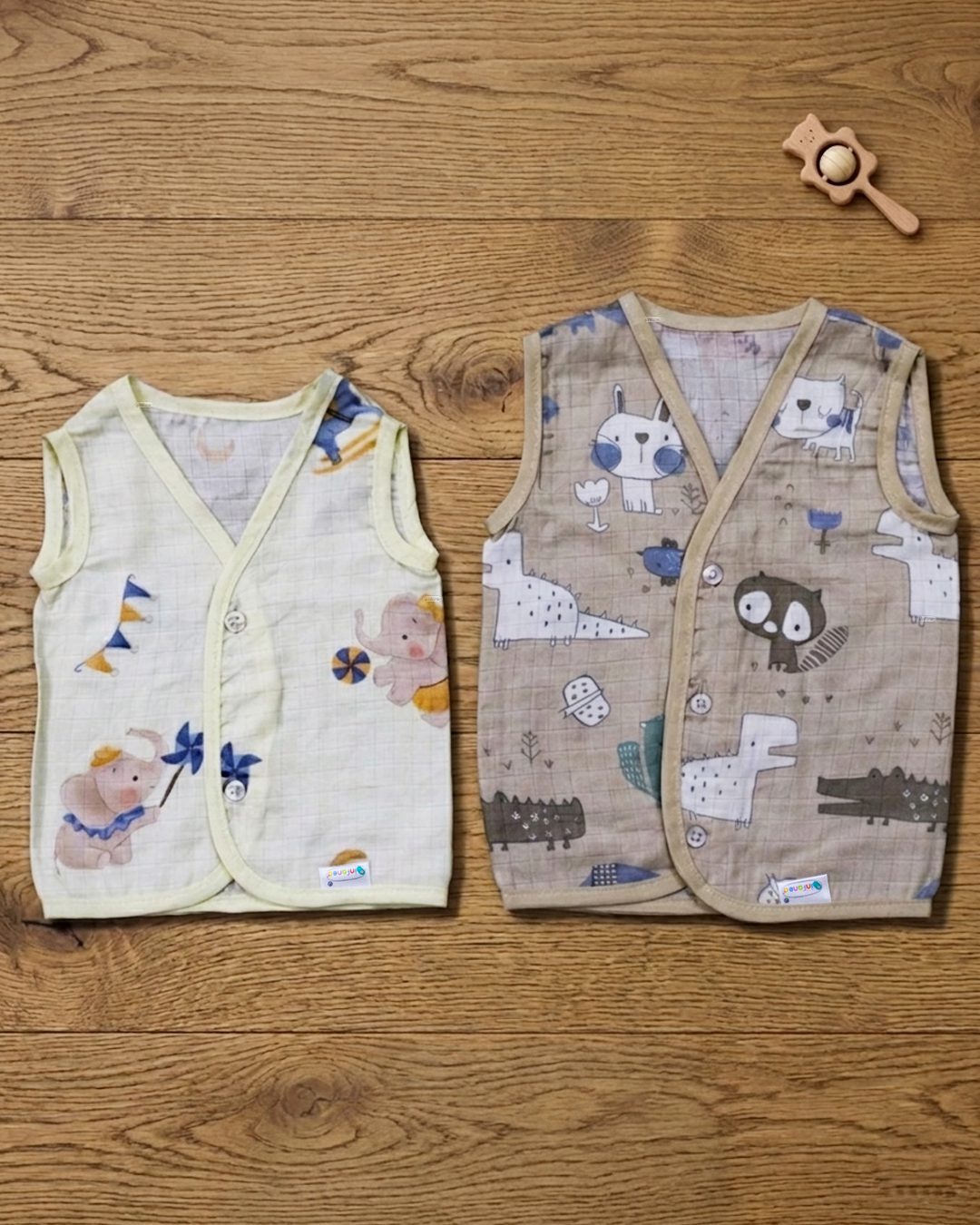
Tops & Vests
-
-
- Diapering & Nappy Changing
-
-
Diaper Inserts
-
Diaper Pants
-
-
- Feeding
-
-
Aprons & Bibs
-
Fruits & Food Feeders
-
Sipper Bottles
-
Teethers & Pacifiers
-
-
- Others
-
-
Hair Brushes & Combs
-
Nail Care
-
Toothbrushes
-
-


















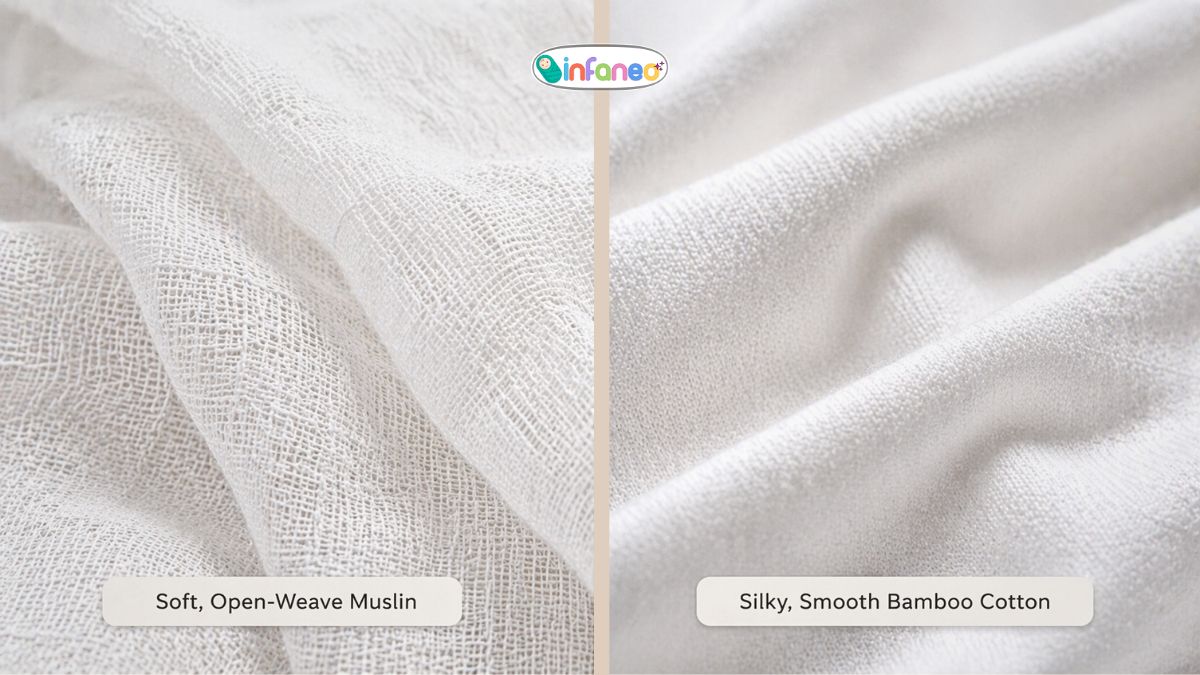
Both muslin and bamboo cotton are made from fine, delicate fibres.
- Muslin Cotton has an open weave structure. This is what makes it breathable. But it also means aggressive washing can distort the weave and cause it to lose shape.
- Bamboo Cotton is naturally silky because of its round fibre structure. High heat and harsh chemicals strip this smoothness away, leaving the fabric rough and dull.
Both fabrics are worth protecting. Here is how to do it right.
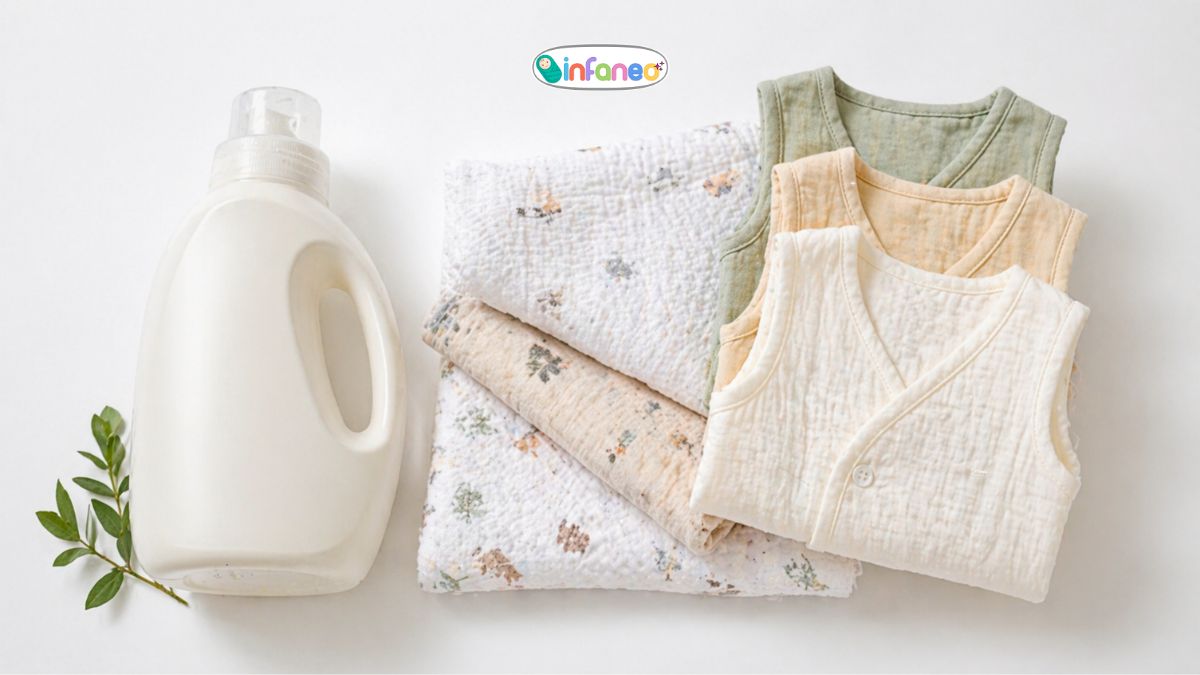
The detergent you use is the single biggest factor in keeping these fabrics soft.
Use:
- Mild, Liquid Baby Detergent: Liquid dissolves better in water and rinses out completely, leaving no residue.
- pH-neutral or Gentle Formulas: These are designed for delicate fabrics and sensitive skin.
Avoid:
- Fabric Softeners: This feels counter-intuitive, but softeners coat bamboo fibres with a waxy residue that reduces absorbency and softness over time.
- Bleach or Whitening Agents: These break down bamboo and muslin fibres quickly.
- Strong Enzyme-based Detergents: Great for tough stains on regular clothes, but too harsh for delicate fabrics.
- Powder Detergents: These do not always dissolve fully and can leave residue in the fabric.
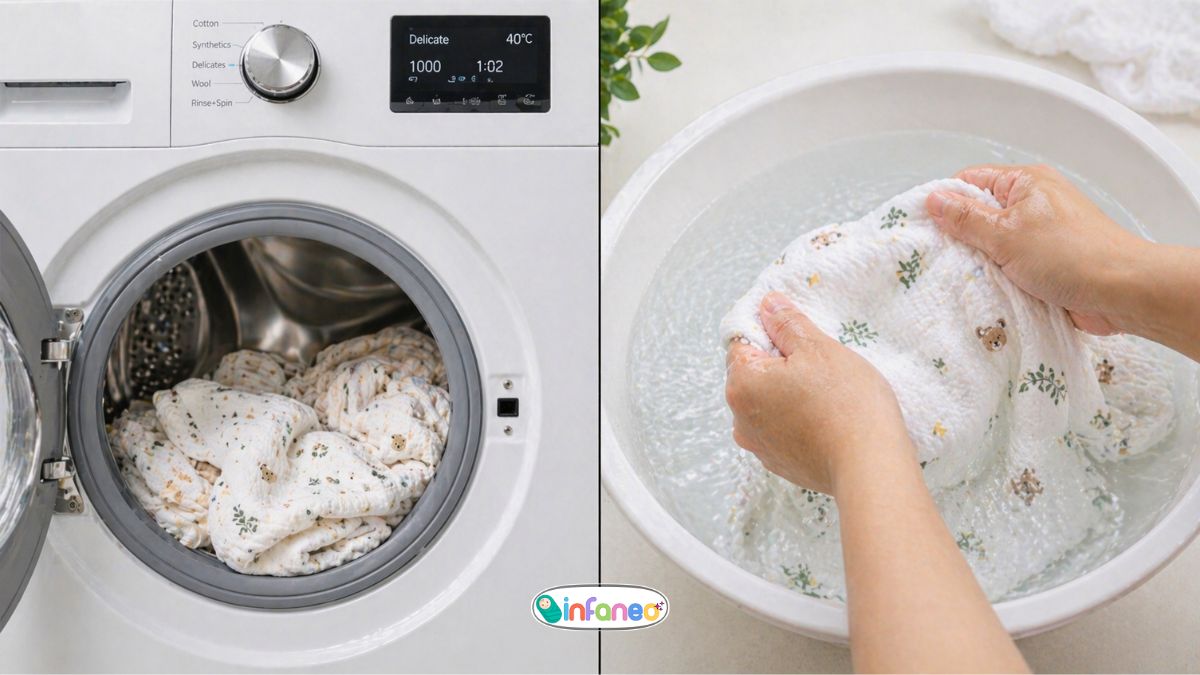
Both methods work. Here is when to use which:
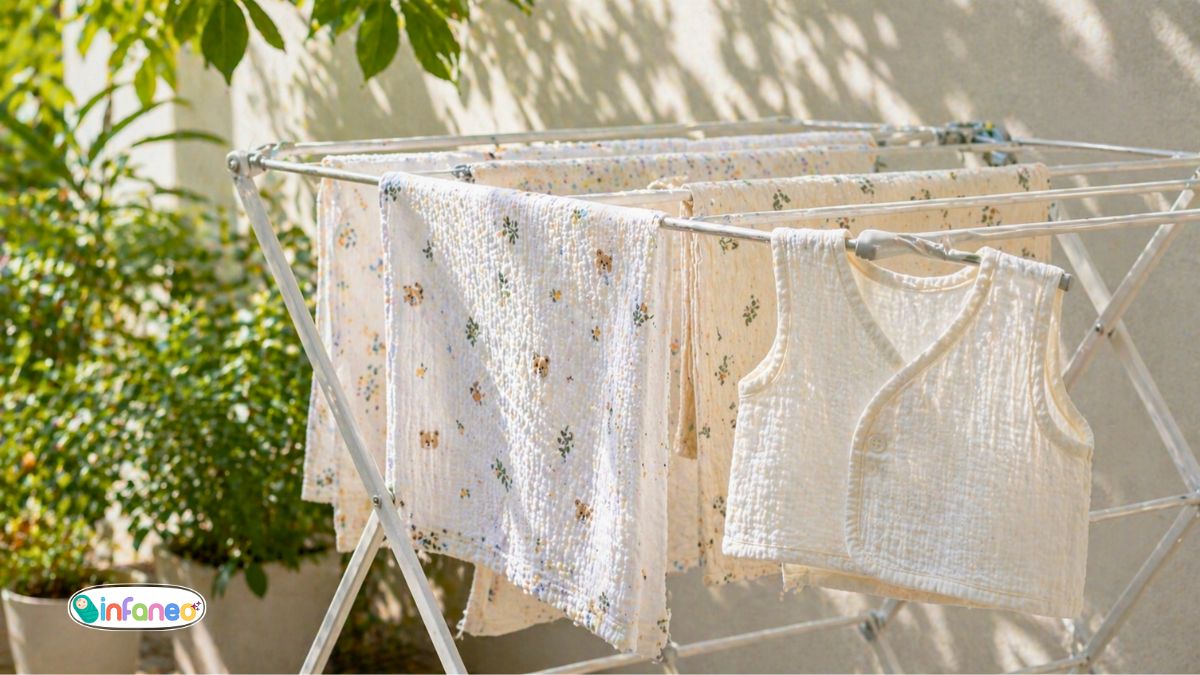
Drying is where most people accidentally damage their baby’s clothes.
Best Method: Air Dry in Shade
- Hang the clothes on a flat rack or a clothesline in indirect sunlight or shade.
- Direct harsh sunlight can bleach colours and weaken bamboo fibres over time.
- However, gentle morning sunlight for 15-20 minutes is actually great for killing bacteria naturally.
Avoid Tumble Drying (If Possible)
- High heat in dryers causes bamboo to shrink and muslin to lose its soft weave.
- If you must use a dryer, always choose the lowest heat setting and remove clothes while slightly damp.
Shake Before Drying
- Give the clothes a gentle shake after washing and before hanging. This loosens the fibres and helps them dry in a more natural, soft position.
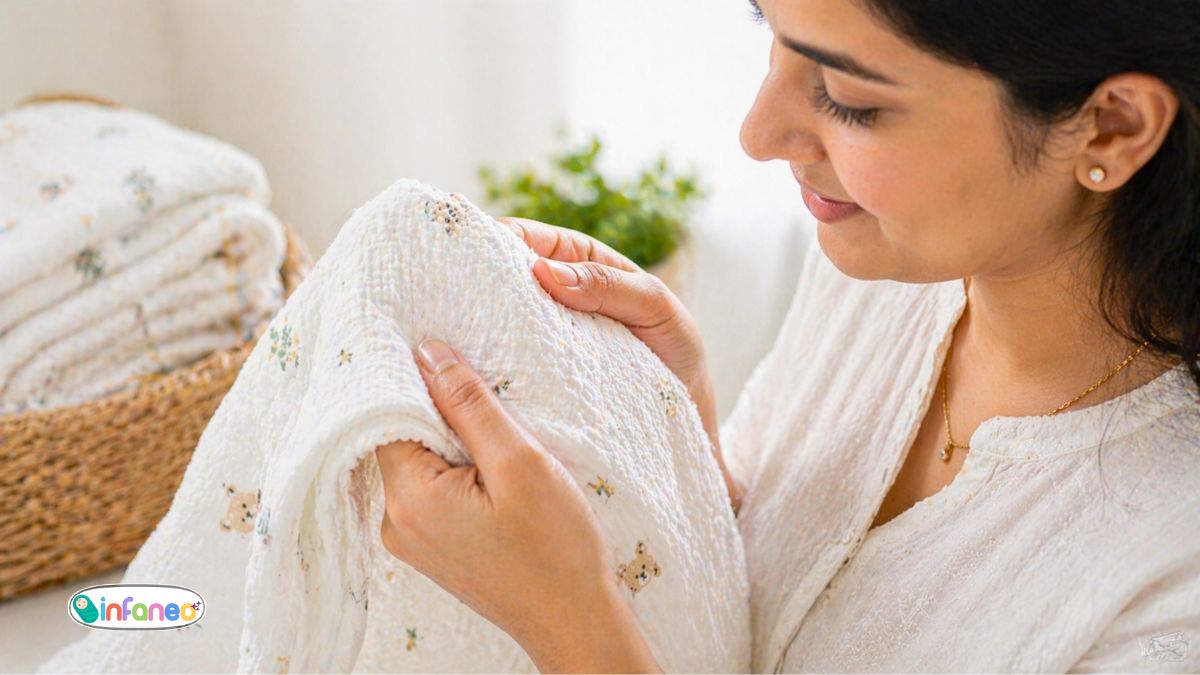
Already over-washed a few pieces and they feel rough? Do not throw them out. Here is how to restore softness:
- Soak in White Vinegar: Add half a cup of white vinegar to a basin of warm water. Soak the garment for 30 minutes, then rinse well. Vinegar naturally softens fibres without chemicals.
- Re-wash with Less Detergent: Sometimes stiffness is caused by detergent build-up. Run a rinse-only cycle or hand rinse thoroughly.
- Air Dry Flat: Lay the garment flat on a clean surface instead of hanging. This prevents stretching and allows fibres to relax naturally.
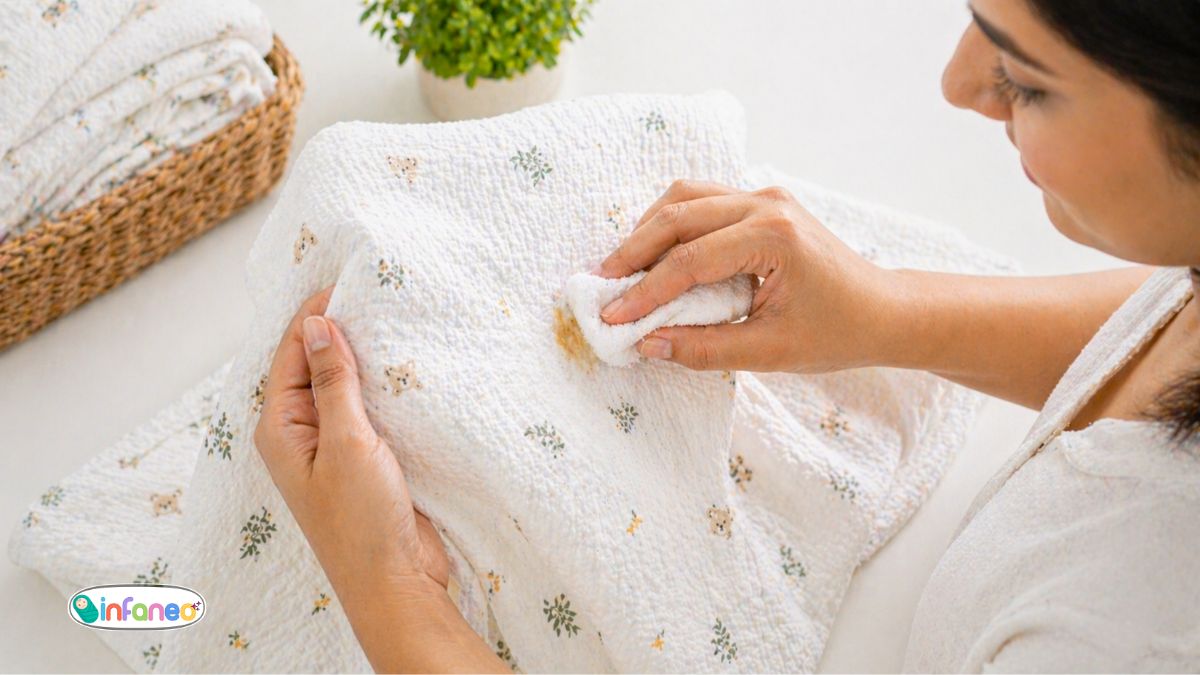
Babies and stains go hand-in-hand. Here is how to handle them without damaging the fabric:
- Act Fast: Blot ( don’t rub ) fresh stains immediately with cold water.
- Pre-soak: For milk or food stains, soak in cold water for 30 minutes before washing.
- Avoid Hot Water on Stains: Heat sets protein-based stains ( milk, formula ) and makes them permanent.
- Sunlight on White Fabrics: Natural sunlight is a gentle bleaching agent for white muslin. Lay white items in the sun after washing for natural brightening.

Hi, I’m Poco! I’m the Chief Cuddle Officer here. My job is to make sure every fabric is cloud-soft and every nap is cosy. When I’m not testing bamboo blankets, I’m helping parents navigate the messy, magical world of newborns with zero stress.