- Baby Bedding & Room Decor
-
-
Swaddle Wrappers

-
Blankets
-
Bed & Mattress Protector
-
-
- Bath Care
-
-
Napkins & Washcloths
-
Bath Towels
-
-
- Clothing and Accessories
-
-
Baby Suits
-
Night Suits
-
Tops & Vests
-
-
- Diapering & Nappy Changing
-
-
Diaper Inserts
-
Diaper Pants
-
-
- Feeding
-
-
Aprons & Bibs
-
Fruits & Food Feeders
-
Sipper Bottles
-
Teethers & Pacifiers
-
-
- Others
-
-
Hair Brushes & Combs
-
Nail Care
-
Toothbrushes
-
-



















There is no “perfect” age, but most experts suggest the transition is easiest between 3 to 6 months.
- Before 3 months: They still need frequent feeding and soothing, so co-sleeping ( safely ) or a bassinet is easier.
- After 6 months: Separation anxiety kicks in, and old habits become harder to break.
Signs you need to switch:
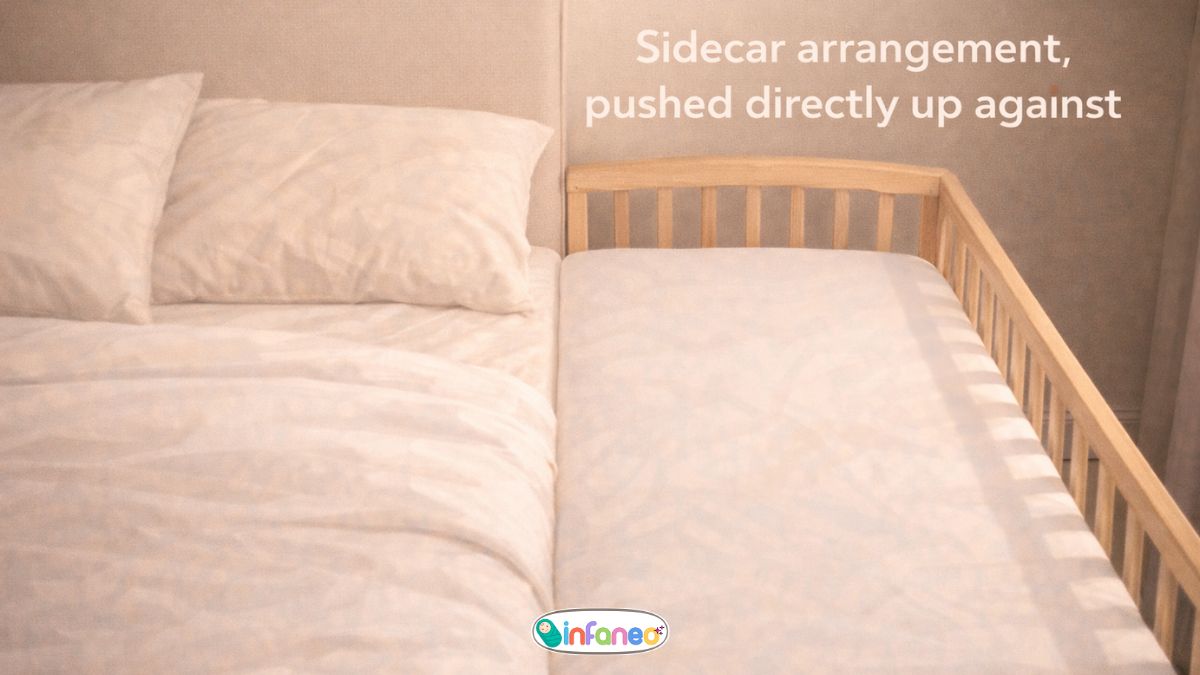
Don’t go “cold turkey” by putting them in a separate room immediately. That’s a recipe for panic. Instead, bring the crib to you.
- In the Room: Place the crib right next to your bed. They can see you, smell you, and hear you, but they are in their own safe zone.
- The “Sidecar”: If your crib allows, remove one side and strap it securely to your mattress. This lets you touch and comfort them without lifting them out.
- The Touch: If they fuss, reach your hand through the bars to pat them. Show them that you are still there, even if you aren’t holding them.
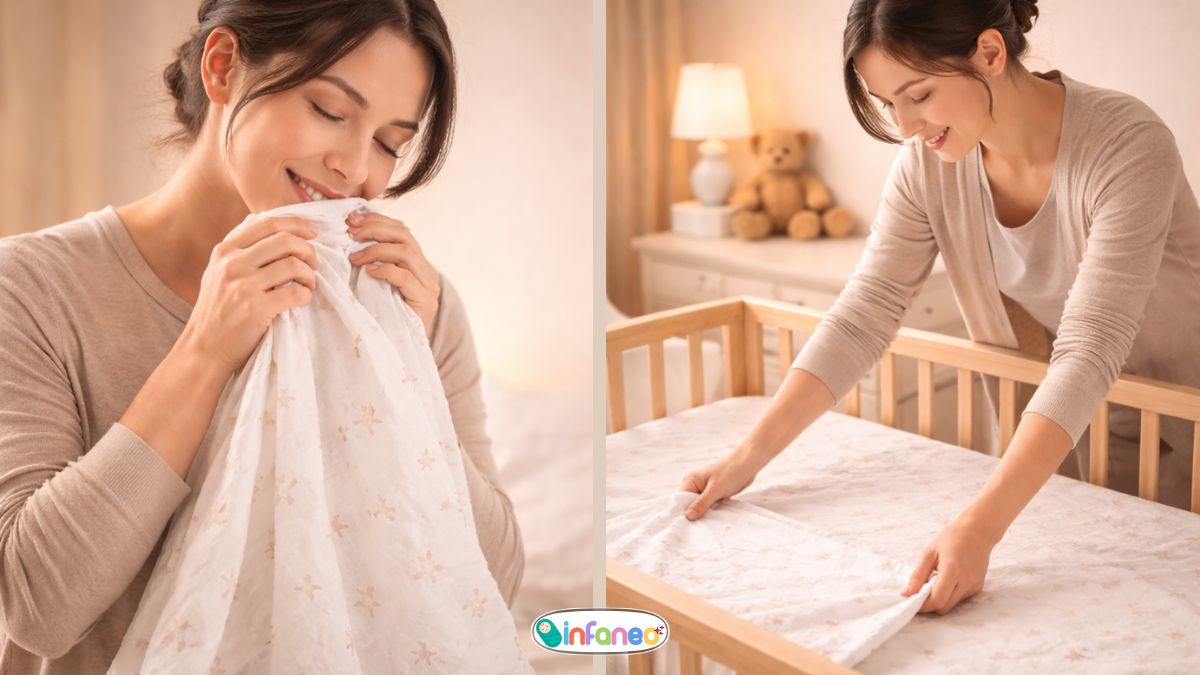
Newborns rely heavily on their sense of smell. To them, “safety” smells like milk and mom. A sterile, freshly washed crib sheet smells like… nothing.
The Hack:
Wear the crib sheet ( or the swaddle / sleep sack ) inside your shirt for a few hours before bedtime. Transfer your scent onto the fabric. When you lay the baby down, they will be surrounded by your familiar, comforting smell, making the new space feel less alien.

Night sleep is high-stakes. Everyone is tired and patience is low. Practice the new skill during the day when the pressure is off.

Your baby will wake up at night and wonder where you are.
- Pause: Wait 2 minutes before rushing in. They might settle themselves.
- Comfort in Crib: If they cry, go to them. Pat their back, shush them, offer a pacifier. Try not to pick them up.
- The Pickup: If they are escalating to full-blown screaming, pick them up, calm them until they are quiet ( but awake ), and put them back down.
- Repeat: It is exhausting, but consistency is key. You are teaching them: “I am here, but the crib is where you sleep“.

Hi, I’m Poco! I’m the Chief Cuddle Officer here. My job is to make sure every fabric is cloud-soft and every nap is cosy. When I’m not testing bamboo blankets, I’m helping parents navigate the messy, magical world of newborns with zero stress.