- Baby Bedding & Room Decor
-
-
Swaddle Wrappers

-
Blankets
-
Bed & Mattress Protector
-
-
- Bath Care
-
-
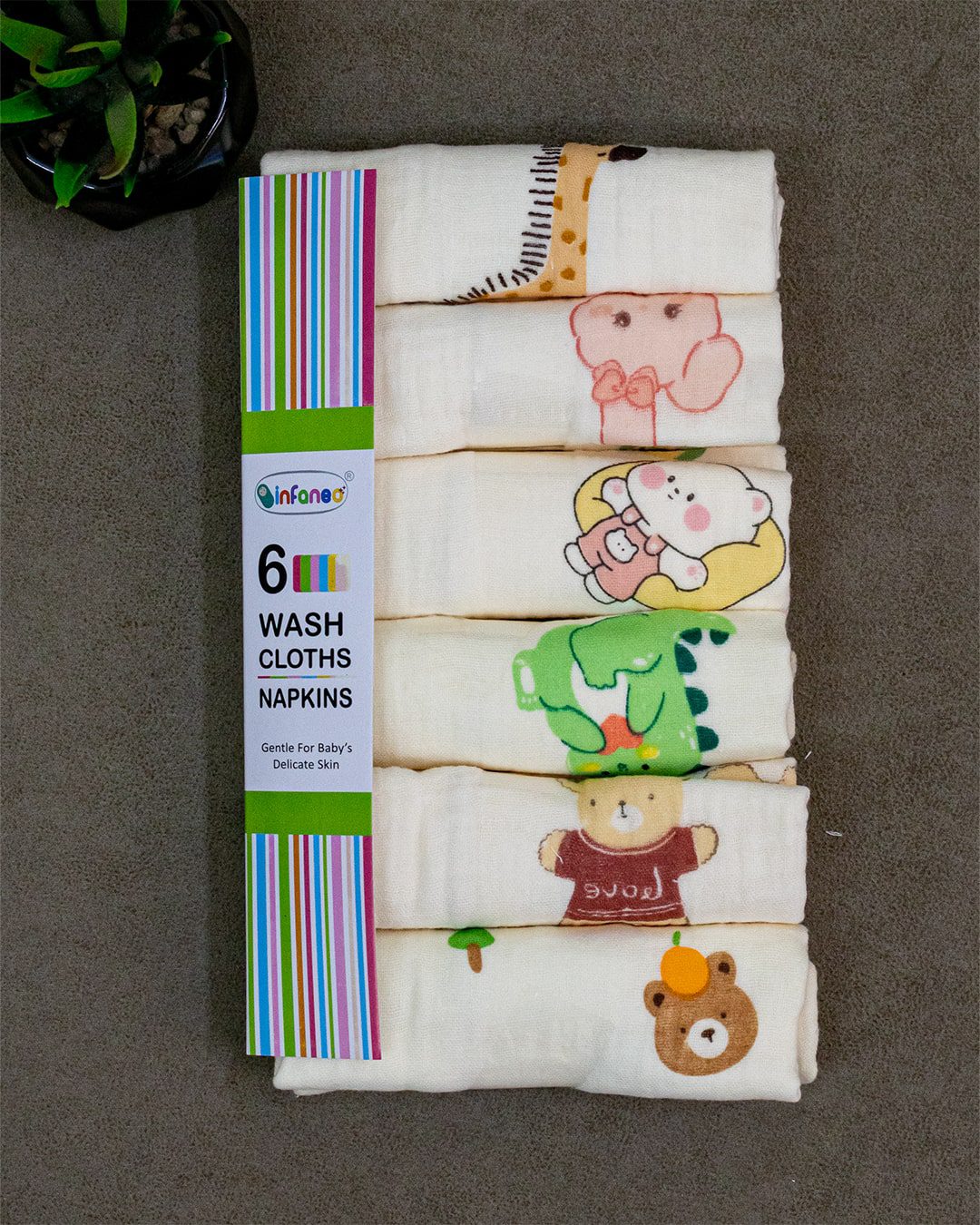
Napkins & Washcloths
-
Bath Towels
-
-
- Clothing and Accessories
-
-
Baby Suits
-
Night Suits
-
Tops & Vests
-
-
- Diapering & Nappy Changing
-
-
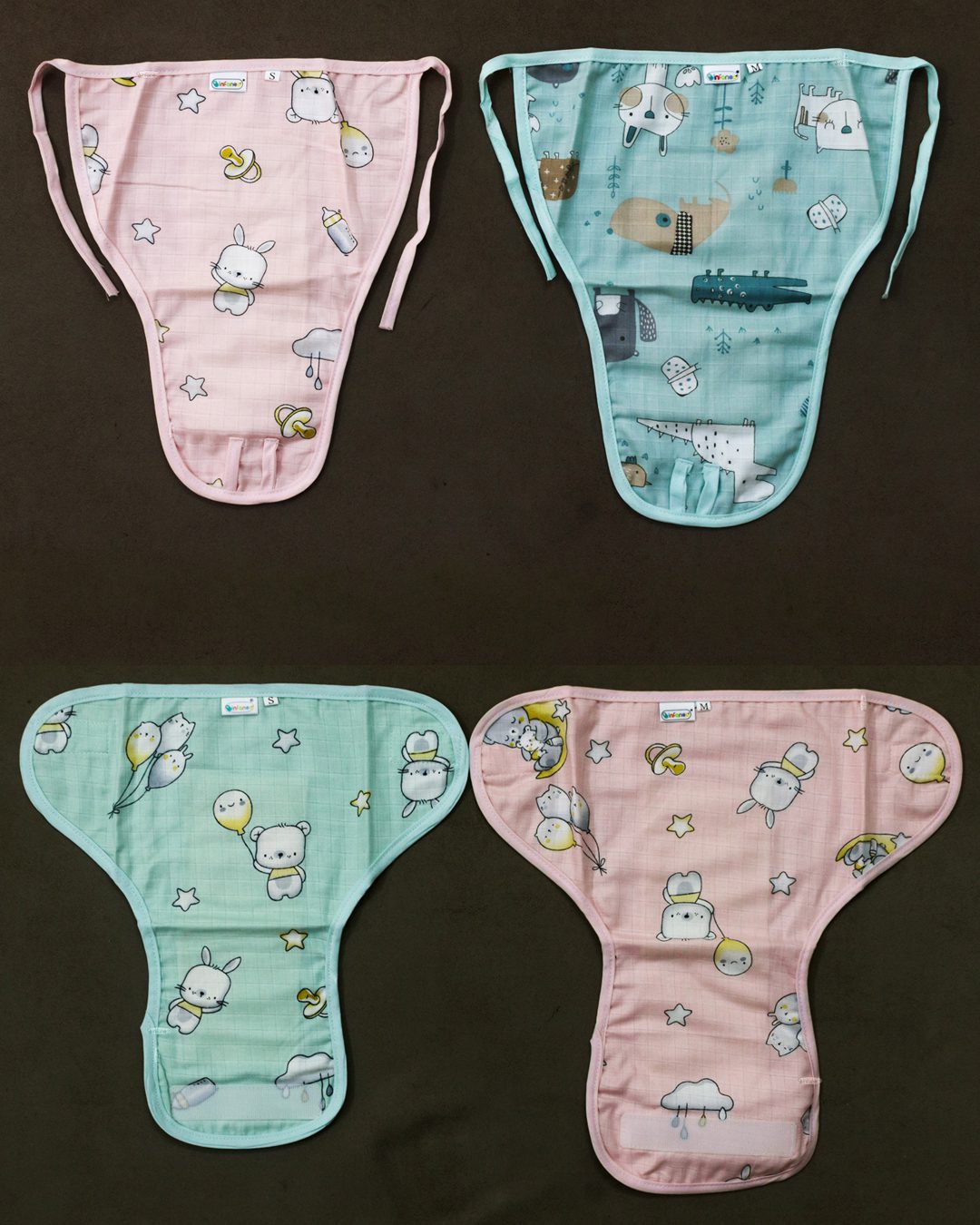
Diaper Inserts
-
Diaper Pants
-
-
- Feeding
-
-
Aprons & Bibs
-
Fruits & Food Feeders
-
Sipper Bottles
-
Teethers & Pacifiers
-
-
- Others
-
-
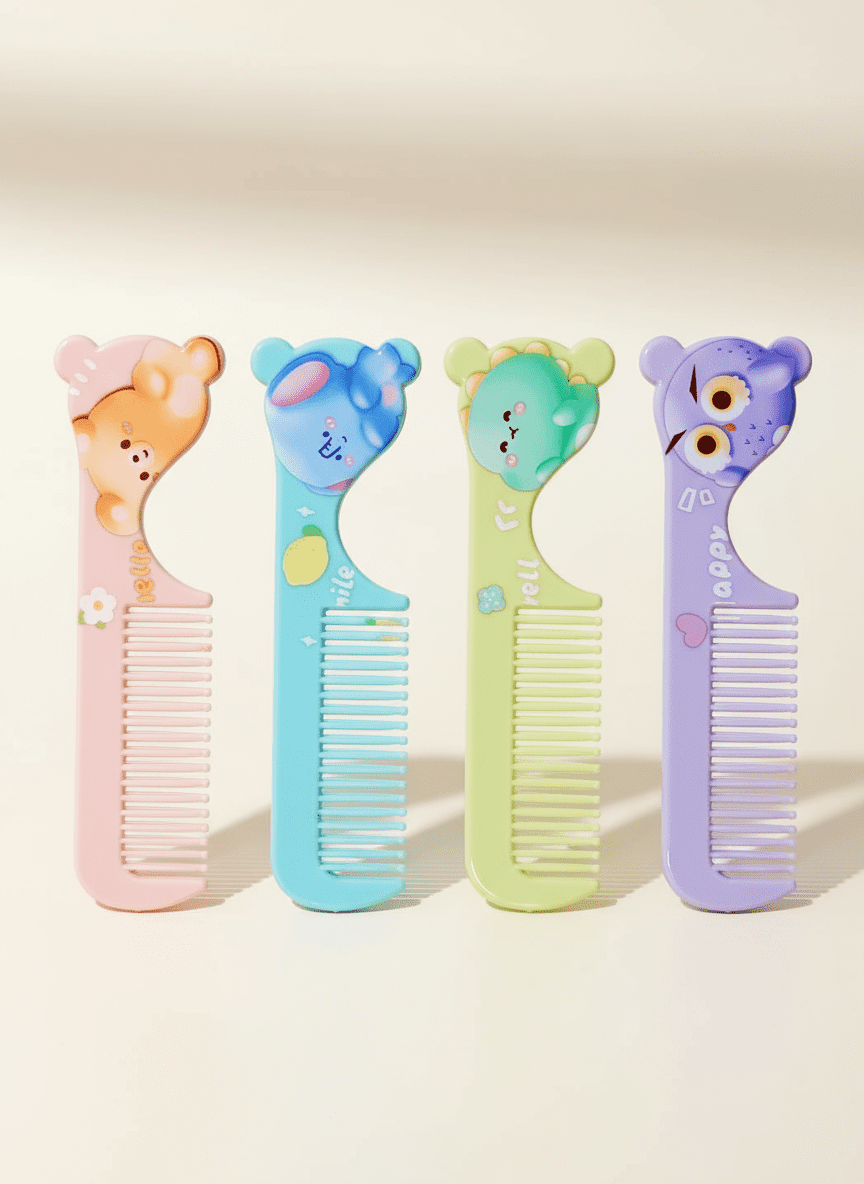
Hair Brushes & Combs
-
Nail Care
-
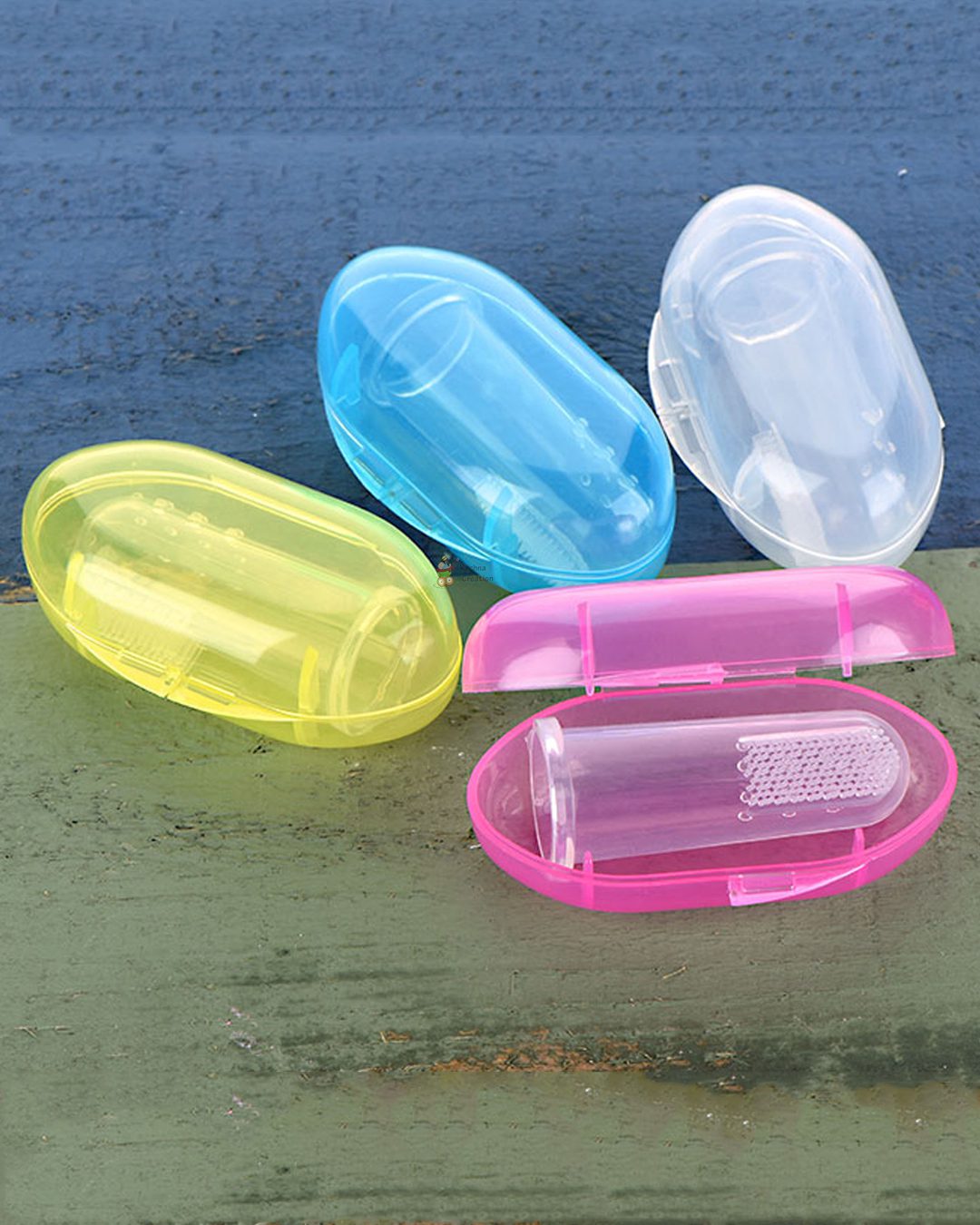
Toothbrushes
-
-














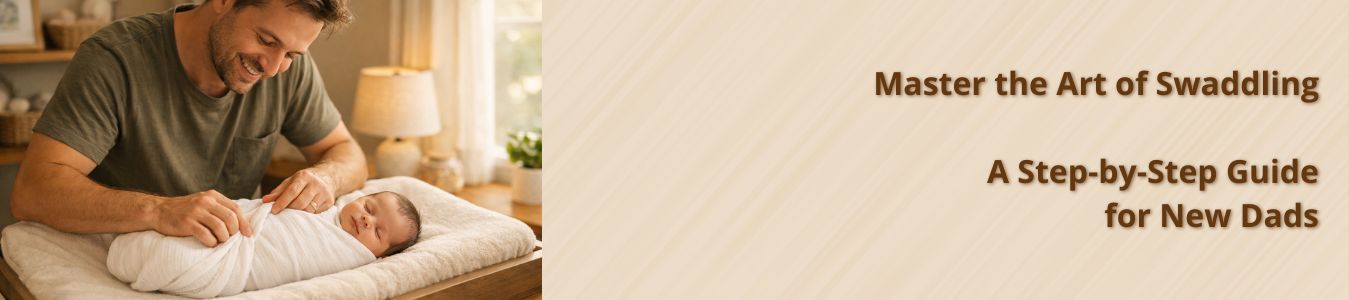
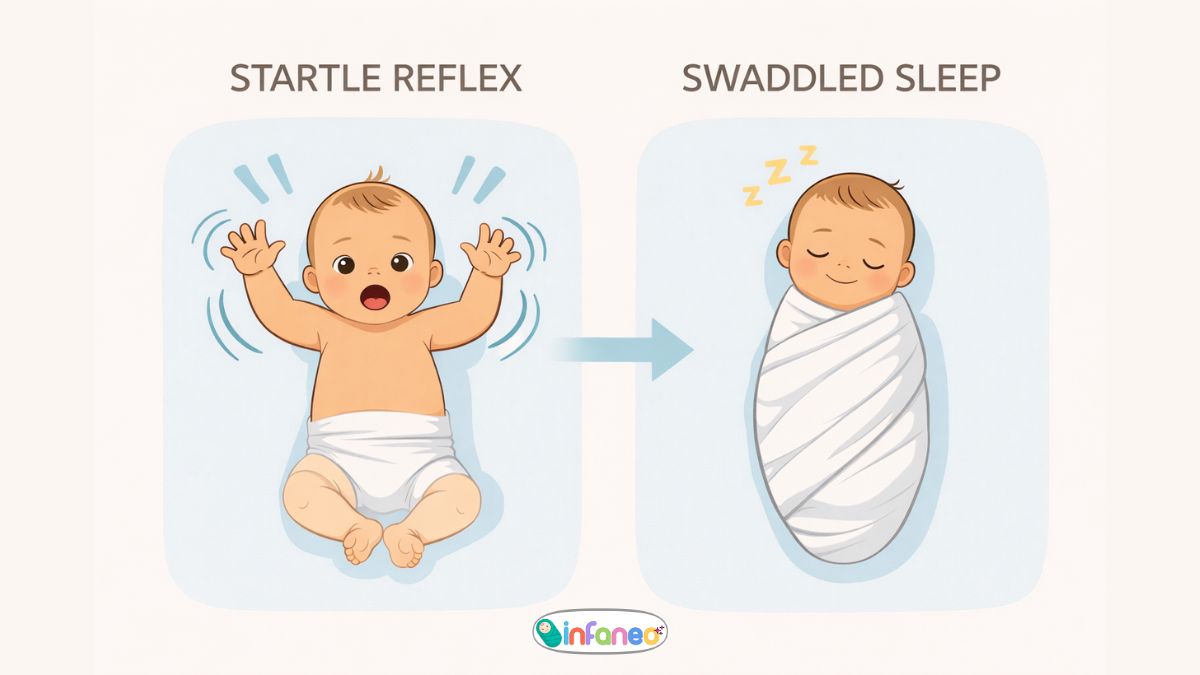
Newborns are born with an involuntary startle reflex. When they feel like they are falling (which happens during light sleep), their arms jerk outward, waking them up instantly. Swaddling keeps their arms snug against their body, preventing this reflex from disrupting sleep.
But there is more: Swaddling also regulates body temperature and reduces anxiety. The gentle pressure mimics a parent’s touch, triggering the release of calming hormones. This is why swaddled babies cry 28% less, according to paediatric sleep research.
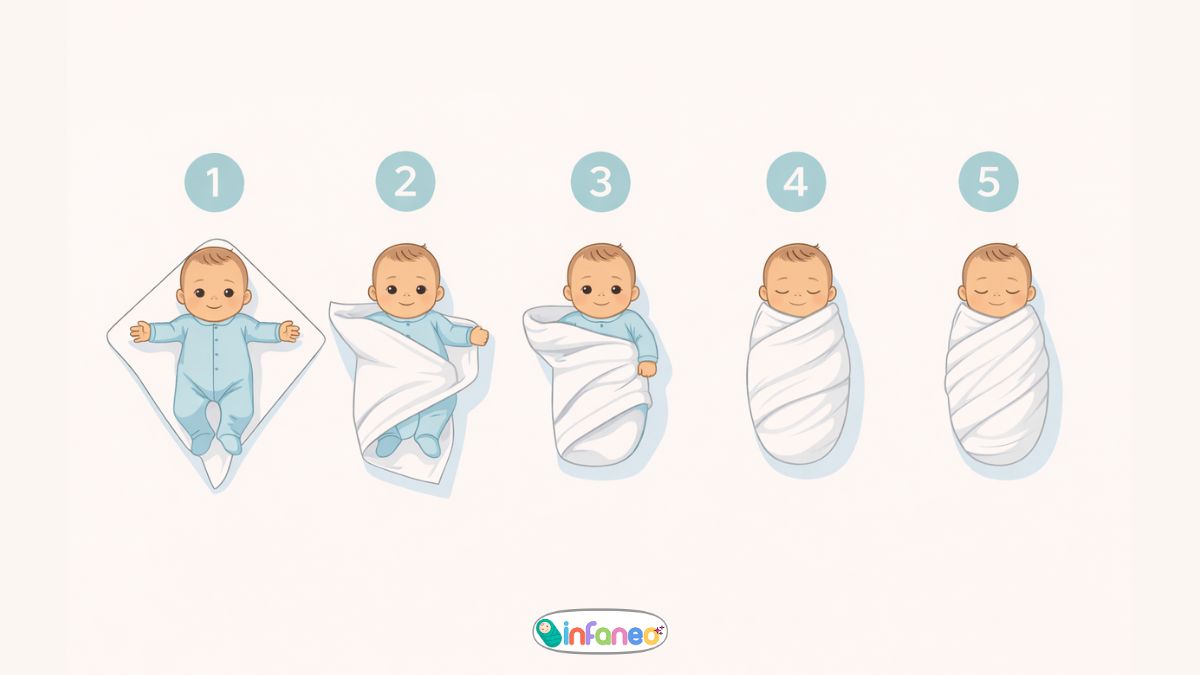
Follow this method, and your baby will be snug (but not too tight) in under 30 seconds.
Step 1: Lay the Swaddle Flat in a Diamond Shape
Place your muslin swaddle on a flat surface like a diamond. Fold the top corner down about 6 inches to create a straight edge.
Step 2: Position Your Baby
Lay your baby on their back with their shoulders just below the folded edge. Their head should rest above the fold.
Step 3: Wrap the Left Side
Take the left corner of the swaddle and pull it across your baby’s chest, tucking it snugly under their right arm and back. The arm should be straight but not pinned uncomfortably.
Step 4: Fold the Bottom Up
Take the bottom corner and fold it up over your baby’s feet, tucking it into the top of the wrap near their shoulder. Leave enough room for their legs to bend naturally at the hips (this prevents hip dysplasia).
Step 5: Wrap the Right Side
Pull the right corner across your baby’s chest and tuck it under their left side. The wrap should be snug around the arms but loose around the hips and legs.
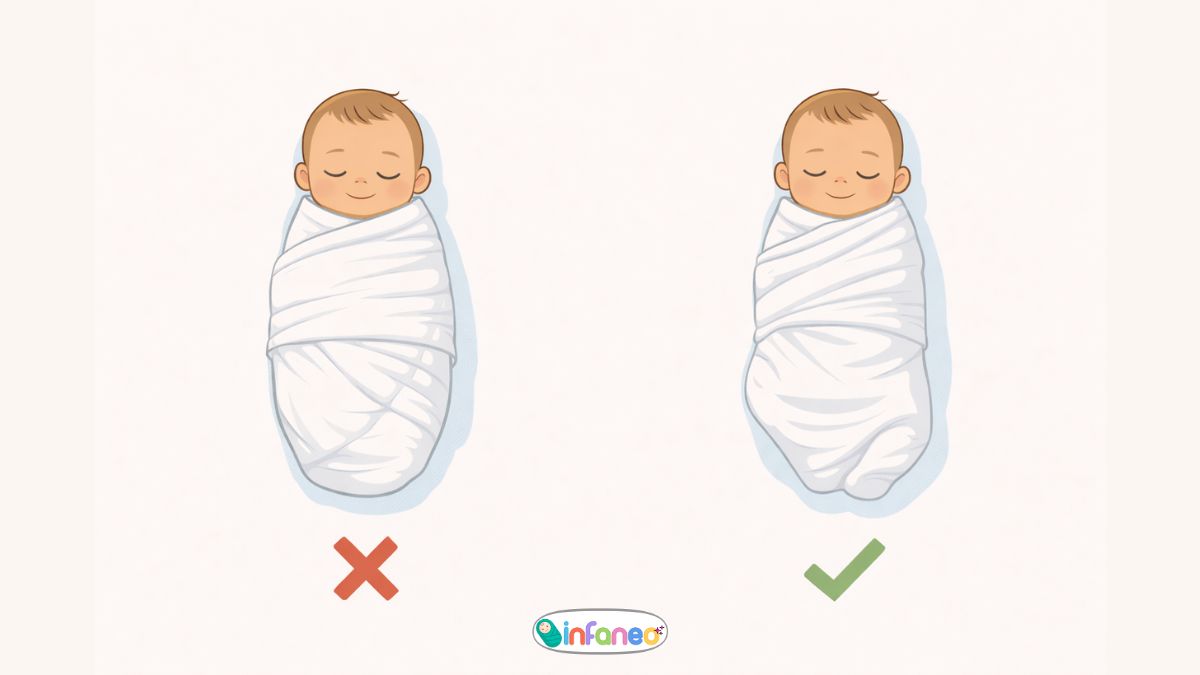
Even experienced parents make these errors. Here is what to watch for:
Mistake 1: Swaddling the Hips Too Tight
Tight swaddling around the legs can cause hip dysplasia, a serious joint condition. Always leave room for your baby’s legs to bend and move.
Mistake 2: Overheating the Baby
Babies cannot regulate body temperature well. Using thick blankets or swaddling in a hot room increases the risk of overheating and SIDS (Sudden Infant Death Syndrome). Use breathable fabrics like bamboo cotton or muslin.
Mistake 3: Swaddling After Rolling Over
Once your baby can roll from back to tummy (usually around 3 – 4 months), stop swaddling immediately. A swaddled baby who rolls onto their stomach cannot lift their head, creating a suffocation risk.
Mistake 4: Using the Wrong Fabric
Heavy cotton or synthetic fabrics trap heat. In Indian summers, this is a recipe for heat rash and discomfort.
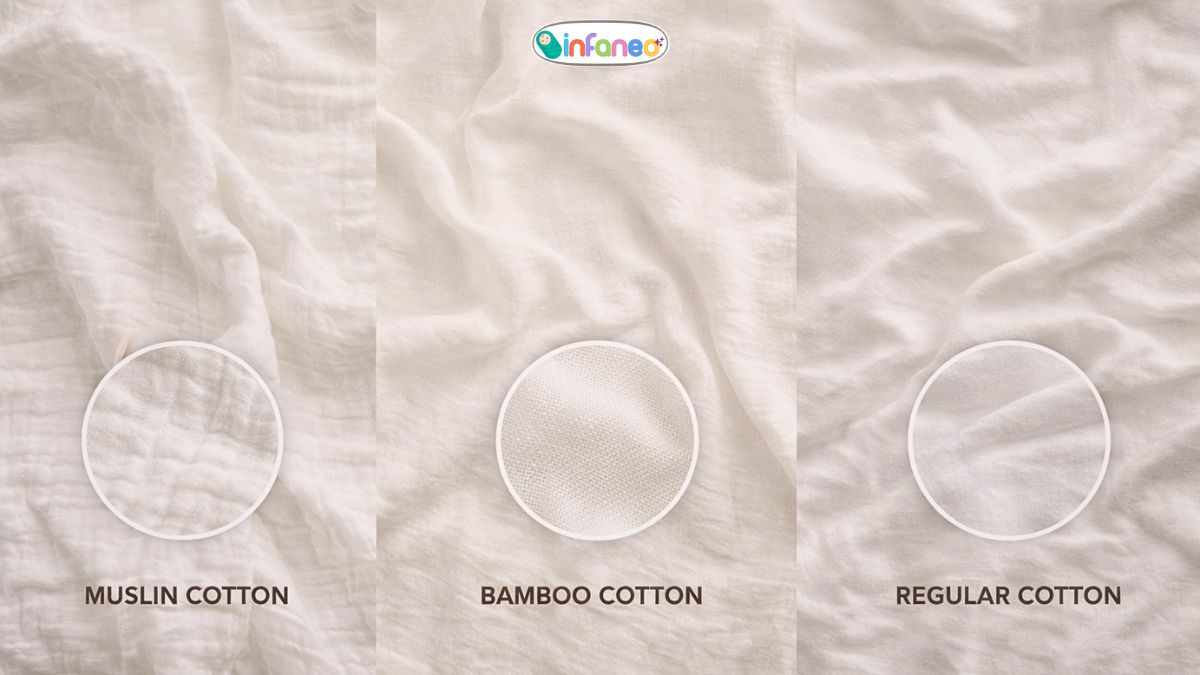
Not all swaddles are created equal. Here is how to choose:
For Indian summers (March – September), Muslin and Bamboo Cotton are non-negotiable. They allow air circulation, reducing the risk of overheating and prickly heat rash.
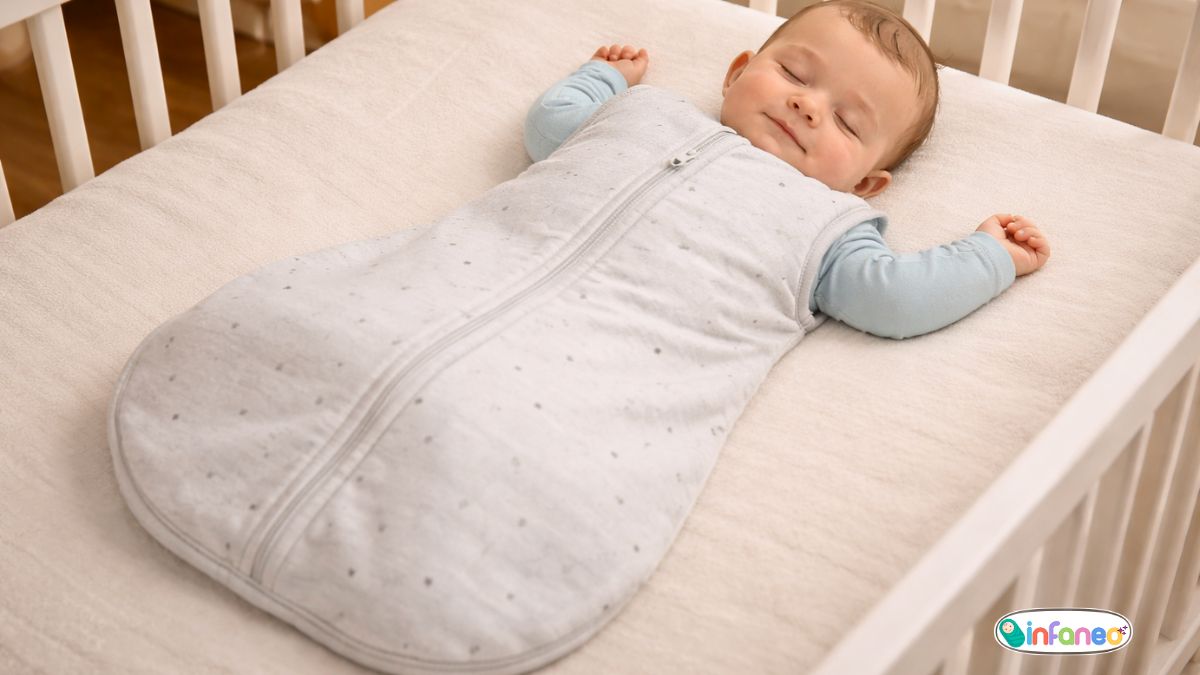
Research recommends stopping swaddling as soon as your baby shows signs of rolling over. This usually happens between 2 – 4 months.
Signs It’s Time to Stop:
- Your baby can roll from back to side or tummy
- They consistently break free from the swaddle
- They seem uncomfortable or resist being wrapped
What’s Next? Transition to a Sleep Sack (also called a Wearable Blanket). It keeps your baby warm without restricting arm movement, making it safe for rollers.

Hi, I’m Poco! I’m the Chief Cuddle Officer here. My job is to make sure every fabric is cloud-soft and every nap is cosy. When I’m not testing bamboo blankets, I’m helping parents navigate the messy, magical world of newborns with zero stress.