- Baby Bedding & Room Decor
-
-
Swaddle Wrappers

-
Blankets
-
Bed & Mattress Protector
-
-
- Bath Care
-
-
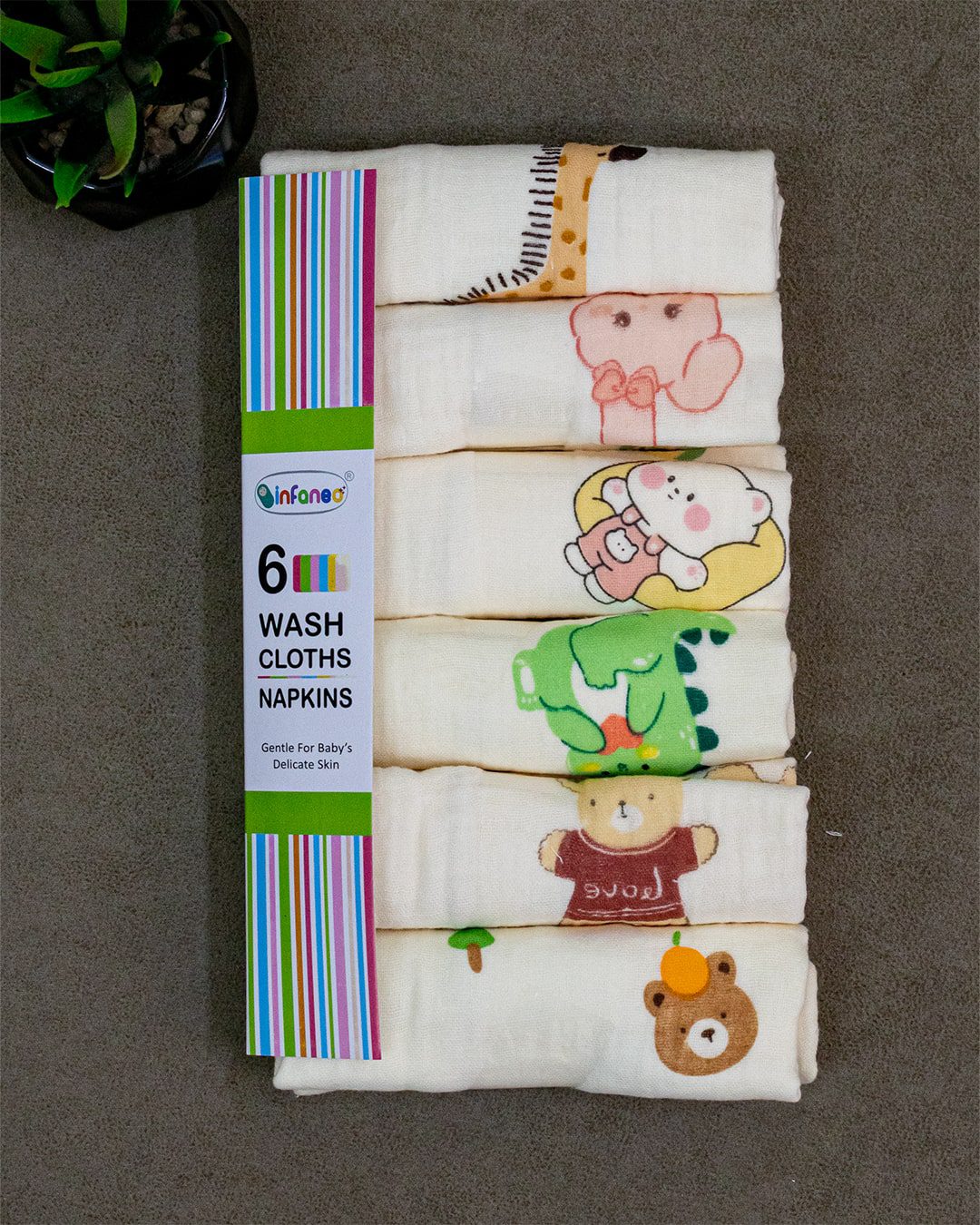
Napkins & Washcloths
-
Bath Towels
-
-
- Clothing and Accessories
-
-
Baby Suits
-
Night Suits
-
Tops & Vests
-
-
- Diapering & Nappy Changing
-
-
Diaper Inserts
-
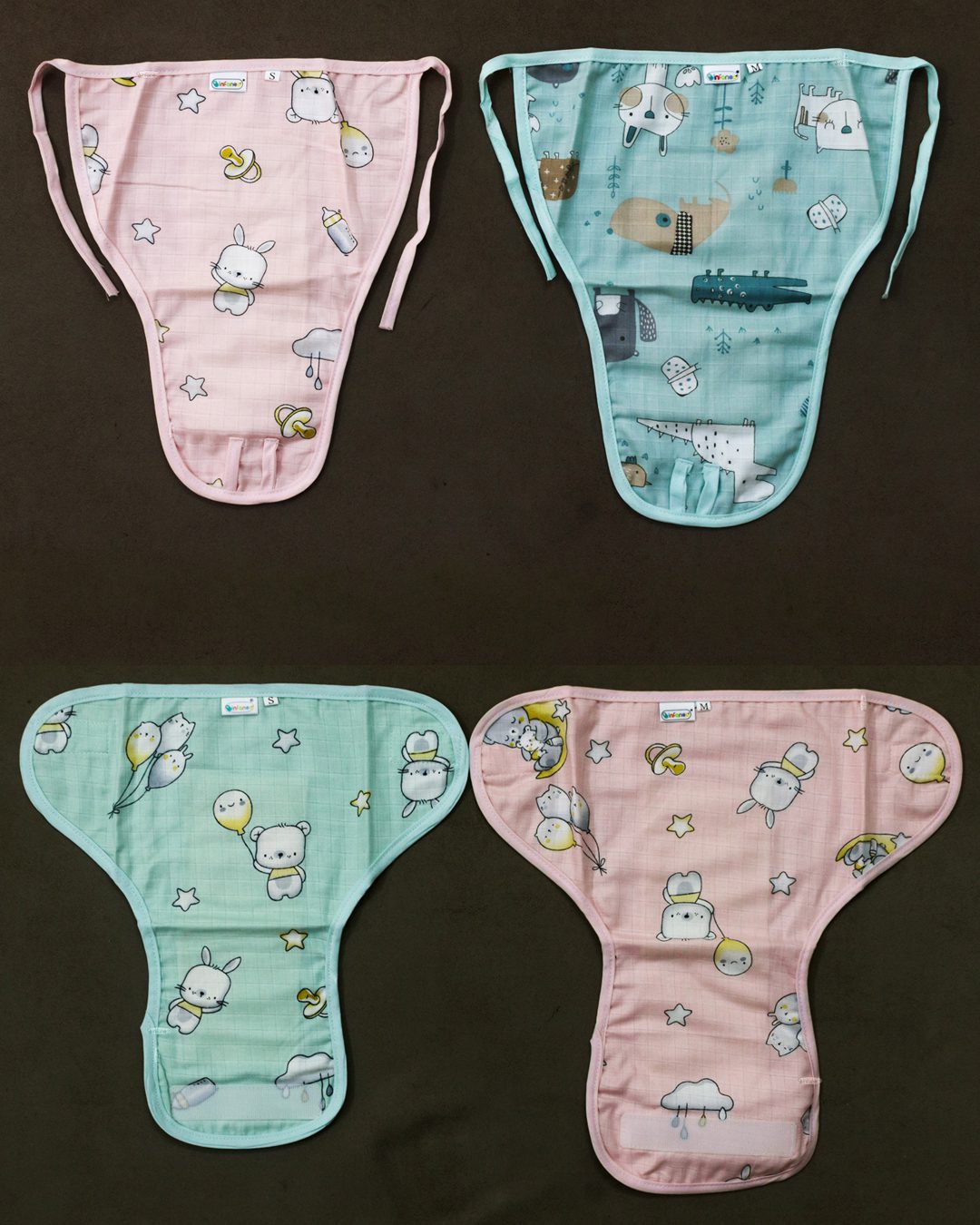
Diaper Pants
-
-
- Feeding
-
-
Aprons & Bibs
-
Fruits & Food Feeders
-
Sipper Bottles
-
Teethers & Pacifiers
-
-
- Others
-
-
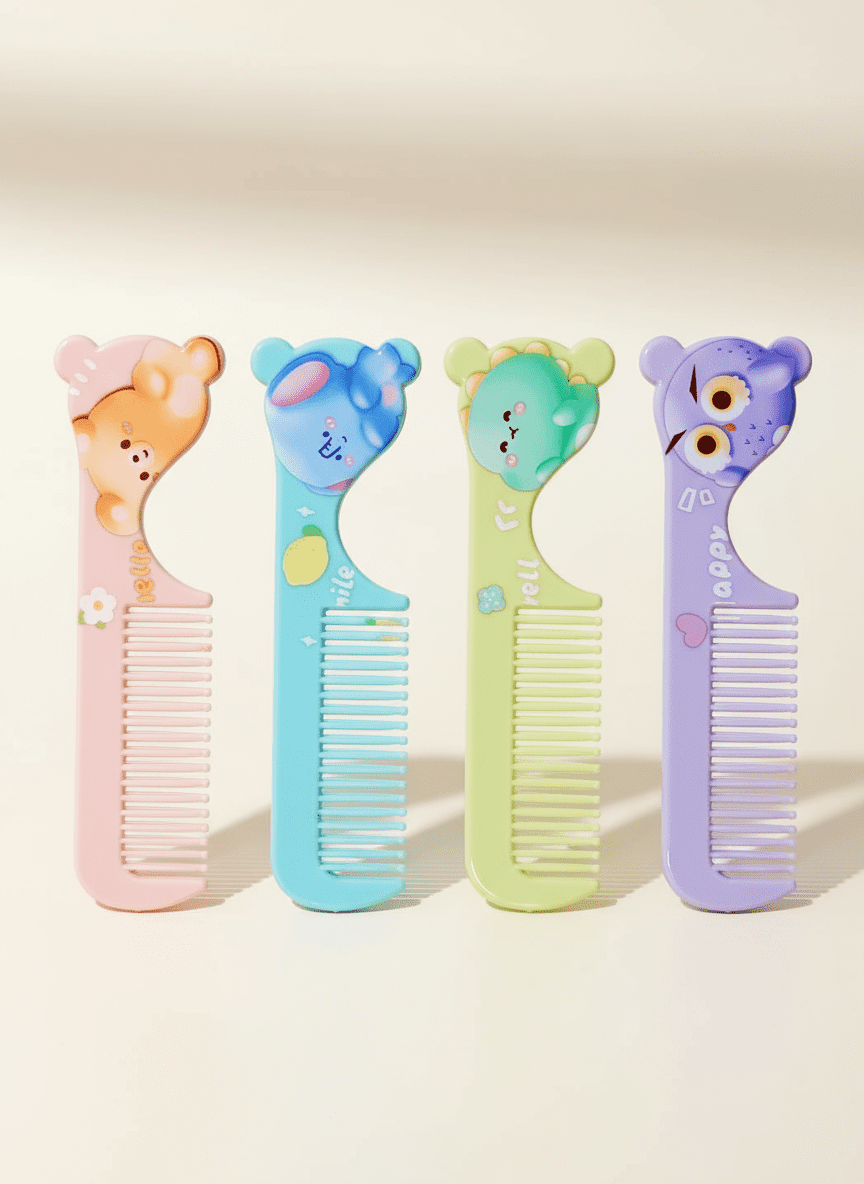
Hair Brushes & Combs
-
Nail Care
-
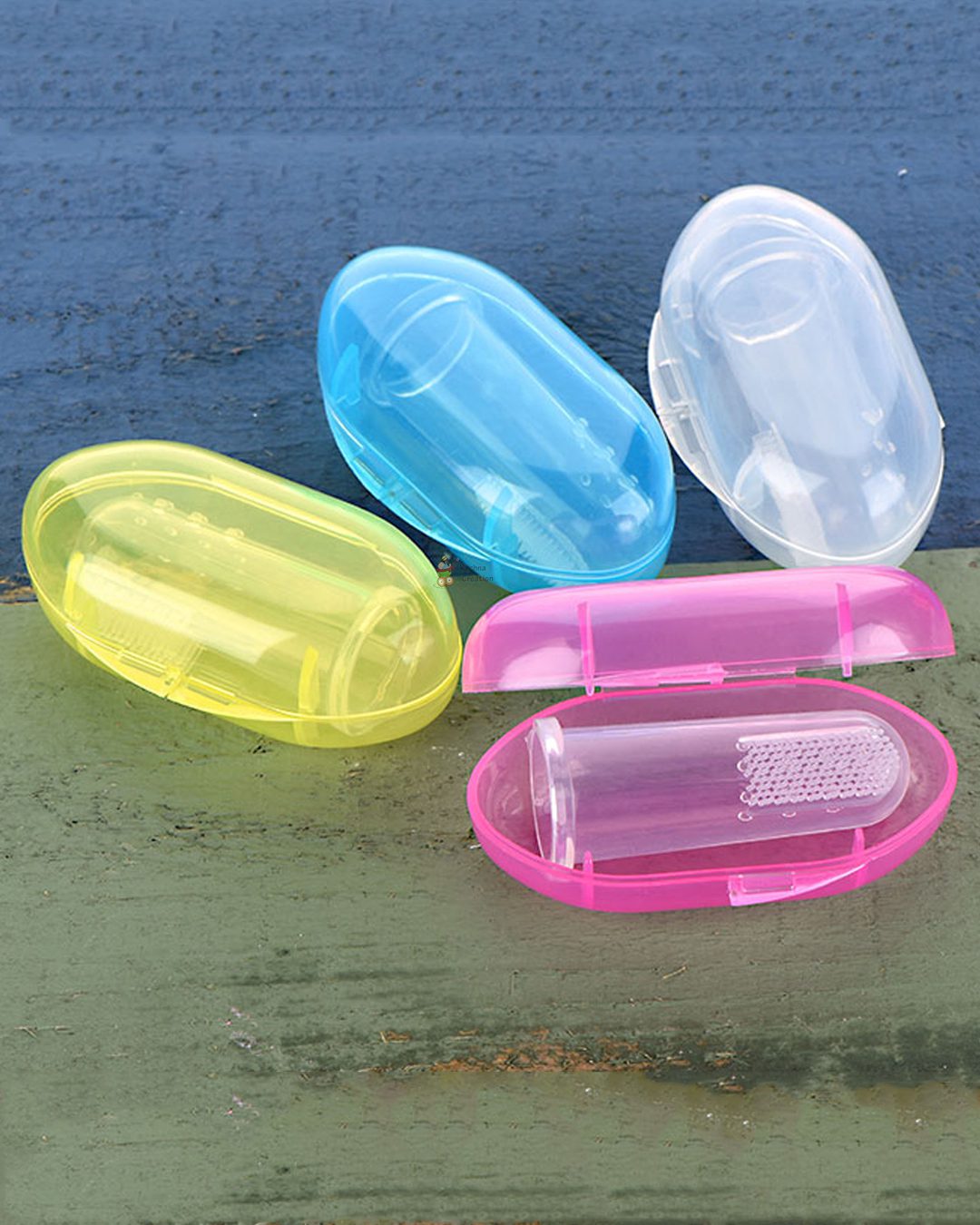
Toothbrushes
-
-













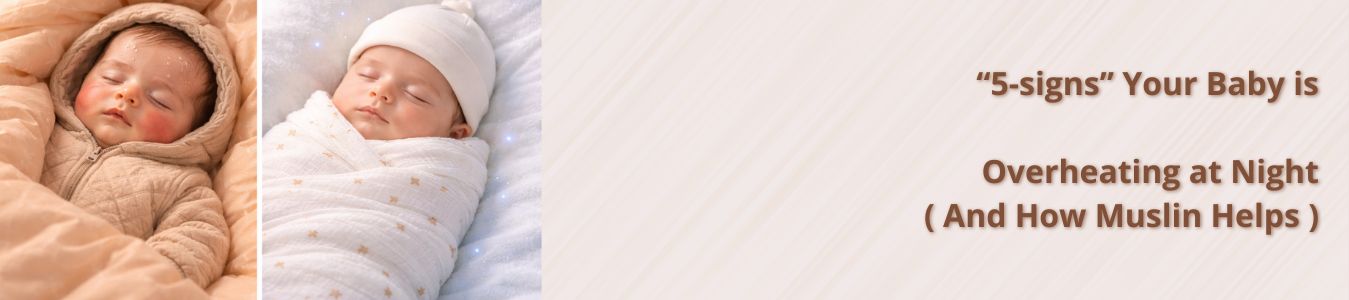
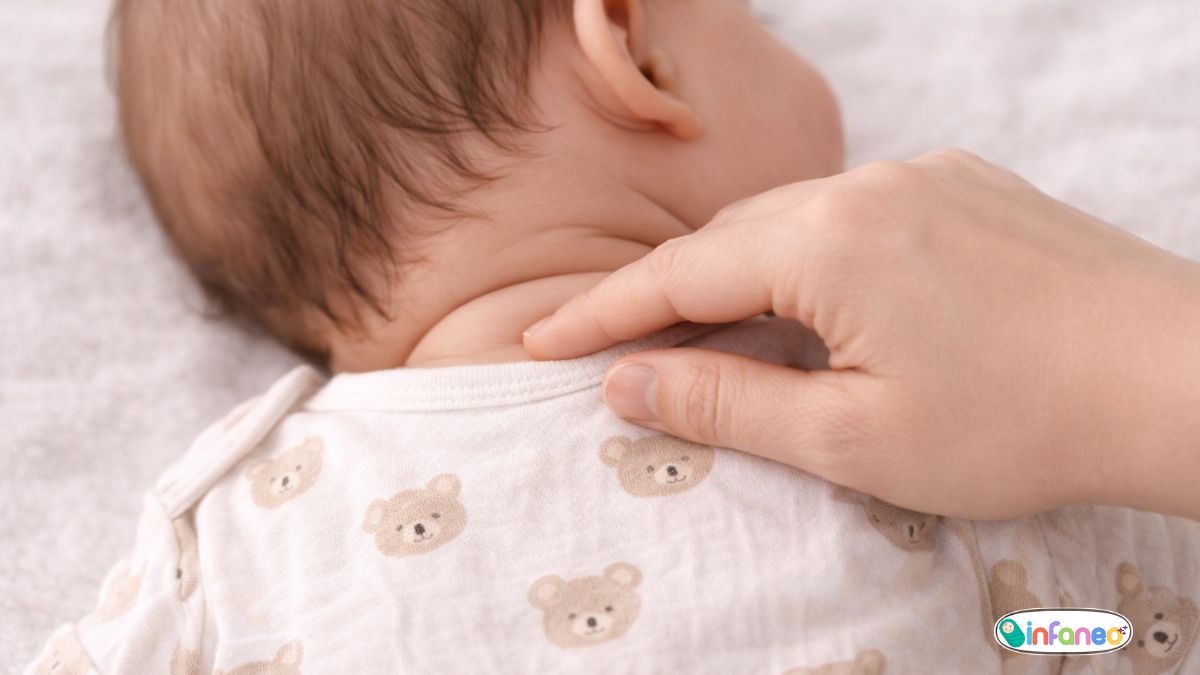
1. The “Touch Test” ( Sweaty Neck or Back ):
Touching a baby’s hands or feet is misleading — they are supposed to feel cool because of poor circulation.
- The Check: Place two fingers on the back of your baby’s neck or chest.
- The Sign: If it feels hot, clammy, or sweaty, they are overdressed. Remove a layer immediately.
2. Red, Flushed Cheeks:
Unless they have a fever, flushed cheeks during sleep usually mean the body is trying to release excess heat. If they look like they’ve just run a marathon, unwrap them.
3. Rapid Breathing:
An overheated baby may breathe faster than normal as their body tries to cool down.
- Normal: 30 – 60 breaths per minute.
- Warning: Consistently faster breathing without other illness symptoms.
4. Heat Rash ( Prickly Heat ):
Look for small, red bumps or pinkish patches, typically found in skin folds (neck, groin, armpits) or on the chest. This means sweat ducts are blocked because the fabric isn’t letting the skin breathe.
5. Restless Sleep or Lethargy:
This is tricky. Some overheated babies become incredibly fussy and won’t settle. Others become lethargic ( unusually hard to wake up ). Both are signs of thermal stress.
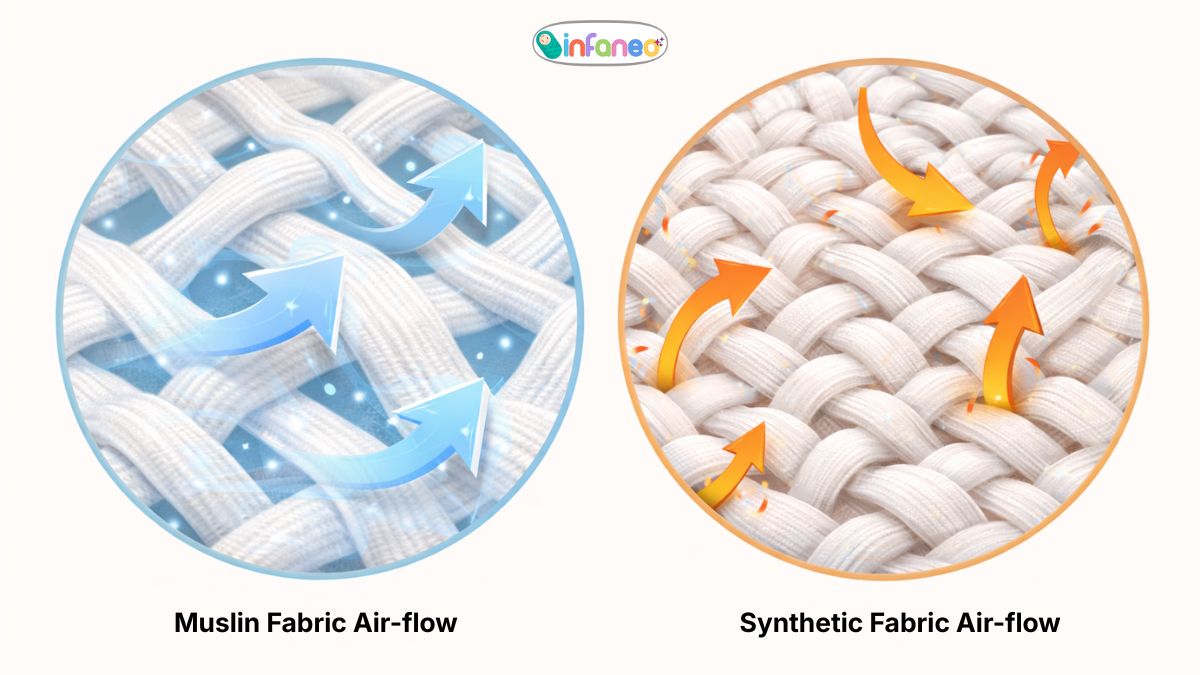
If you spot these signs, the fix isn’t just turning up the AC — it’s changing the bedding. This is where Muslin Cotton becomes a safety essential, not just a luxury.
1. The “Open Weave” Technology:
Muslin is woven loosely. If you hold it up to the light, you can see through it. This allows:
- Airflow: Hot air escapes away from the baby’s body.
- Fresh Air: Cool air circulates to the skin.
2. Moisture Wicking:
Synthetic blankets (like polyester fleece) trap sweat against the skin, causing the “clammy” feeling. Muslin absorbs moisture rapidly and dries quickly, keeping the baby dry and comfortable.
3. Temperature Regulation:
Muslin is “thermo-regulating“. It keeps babies cool in summer but provides a warm ( but breathable ) layer in winter when doubled up.
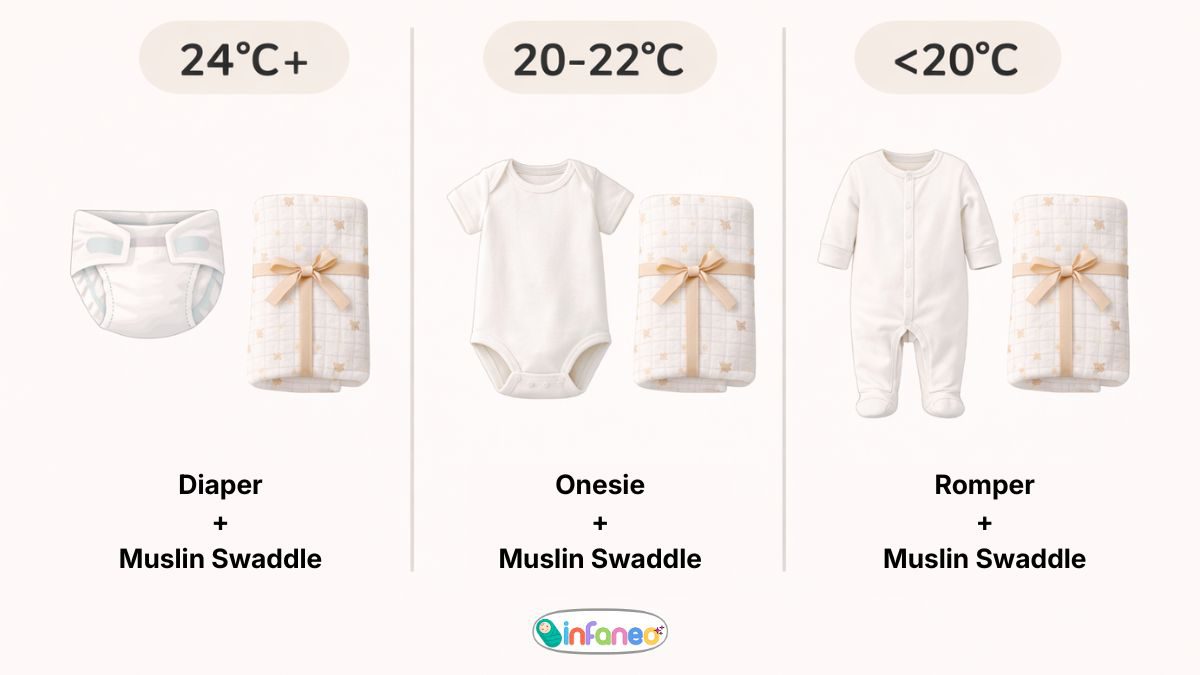
The Rule of Thumb: Dress the baby in one more layer than you are comfortable wearing.
- Hot Night (24°C+): Short-sleeve bodysuit (or just a diaper) + Single-layer Muslin Swaddle.
- Moderate Night (20 – 22°C): Long-sleeve cotton pajama + Muslin Swaddle.
- Cool Night (<20°C): Warm footie pajama + Muslin Swaddle or Sleep Sack.

Hi, I’m Poco! I’m the Chief Cuddle Officer here. My job is to make sure every fabric is cloud-soft and every nap is cosy. When I’m not testing bamboo blankets, I’m helping parents navigate the messy, magical world of newborns with zero stress.